
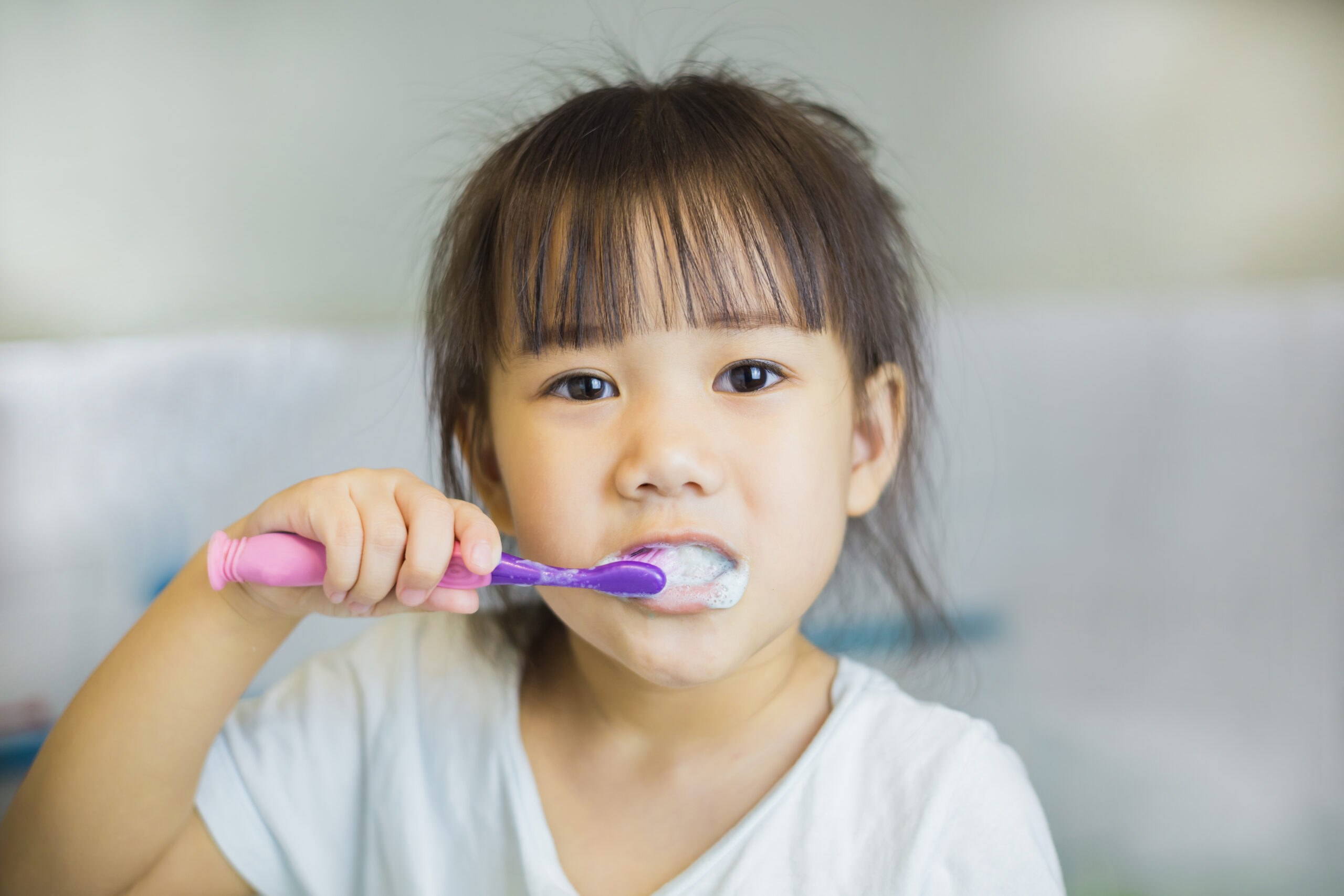
Getting a child to brush for a full two minutes can be challenging on a normal night. For a child with ADHD, staying focused on brushing, remembering each step of the routine, or resisting the urge for frequent snacks may be even harder. Some children may also develop habits, such as teeth grinding, that can affect their oral health over time. These concerns are not necessarily separate from ADHD, and understanding how they may be connected can help parents know what to watch for.
At Dee for Dentist, pediatric dentistry involves looking beyond whether a child has cavities. Daily routines, eating habits, sleep, medications, and behaviors such as grinding can all provide useful context when we evaluate a child’s teeth and gums. For parents of children with ADHD, recognizing how those factors may influence oral health can make it easier to build routines that work for their child and bring potential concerns to the dentist’s attention earlier.
Can Mouth Breathing Cause ADHD-Like Symptoms in Kids?
Mouth breathing and poor sleep can sometimes show up during the day in ways parents might not immediately connect to breathing. A child who is not sleeping well may have trouble focusing, seem unusually restless, or struggle with behavior and attention. Allergies, enlarged tonsils, or differences in jaw development can all contribute to mouth breathing and disrupted sleep.
Research on mouth breathing and dentofacial patterns in school-age children has found an association between mouth breathing and behaviors related to ADHD, along with a higher risk of dental trauma among children in the study. That does not mean mouth breathing causes ADHD or that every child with ADHD has an airway problem. It does mean that persistent mouth breathing, snoring, or poor sleep may be worth discussing with your child’s dentist or pediatrician.
Common Oral Habits in Kids with ADHD
ADHD can make it harder for some children to manage repetitive habits or stick with routines that require sustained attention. That can show up in their oral health in several ways, from chewing on objects without realizing it to rushing through brushing at the end of the day. Habits worth keeping an eye on include:
- Teeth grinding or clenching: This may happen during sleep and can contribute to tooth wear or jaw discomfort over time.
- Biting or chewing on objects: Such as fingernails, pencils, shirt collars, and other items, can place repeated pressure on the teeth.
- Thumb sucking or prolonged pacifier use: When these habits persist beyond early childhood, they may affect how the teeth and bite develop.
- Rushed or inconsistent brushing: Difficulty staying focused on the routine can make it easier to miss certain areas of the mouth.
These habits do not necessarily mean something is wrong, but they are worth mentioning during your child’s teeth cleanings and exams. We can look for signs of tooth wear, changes in the bite, or areas that are consistently missed during brushing, and help you decide whether anything needs attention.
How Treating Sleep Problems Can Improve ADHD Symptoms in Kids
Sleep can have a noticeable effect on a child’s attention, mood, and behavior during the day. When poor sleep is related to breathing or airway concerns, addressing those problems may help with symptoms that can sometimes look similar to or worsen ADHD-related difficulties. Our Healthy Start program is designed for children ages 2 through 12 and uses an oral appliance to help guide the development of teeth and jaws while addressing certain sleep-related breathing concerns.
Parents are often the first to notice that something may be interfering with their child’s sleep. Loud snoring, mouth breathing, frequent waking, or restless sleep are all worth mentioning to your child’s dentist. If those signs occur regularly, an evaluation can help determine whether an airway- or sleep-related issue may be contributing and whether further sleep apnea treatment should be considered.
How Dee for Dentist Can Help Your Child Live Longer and Smile More
Children with ADHD may need a different approach to brushing, eating habits, dental visits, or other parts of their oral health routine. Dr. Dee Dee Meevasin has a special focus on Healthy Start and can use tools such as Axeos cone-beam imaging when a closer look at a child’s airway is warranted. That information can help us understand whether concerns such as grinding, mouth breathing, or sleep-related symptoms deserve further evaluation.
Your child’s next step may be as simple as a routine cleaning or a conversation about making brushing easier at home. If there are concerns about their bite, airway, or sleep, we can determine whether a Healthy Start evaluation is warranted as well. We accept a range of insurance plans and offer financing options for families who need them. Contact us to schedule a visit and talk with our team about what you have been noticing at home.