
Nobody signs up for dental implants hoping to add a bone graft to their calendar. The whole point of this treatment is to replace a missing tooth and move on, not to schedule a second surgery, wait months for your jaw to heal, and then cross your fingers that everything went according to plan. Fortunately, digital implant technology has changed the conversation around who actually needs a bone graft and, in some cases, whether one can be avoided altogether.
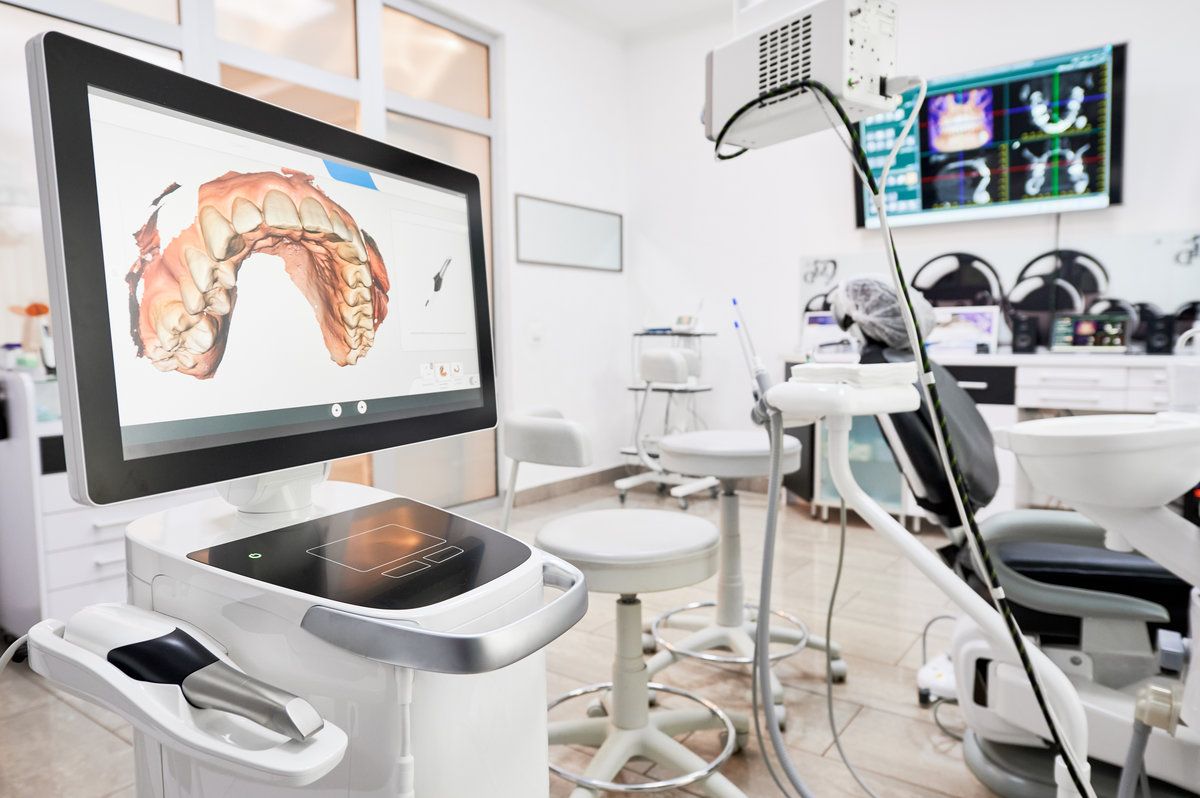
At Dee for Dentist, our dental implants are entirely digital and surgically guided, which means every placement is planned with precision before we ever pick up a tool. Our implantologist uses advanced software and imaging to map out the exact angle, depth, and position of each implant, giving us the ability to work smarter with the bone you already have rather than defaulting to a graft just to fill in the gaps.
What Is a Bone Graft and Why Does It Come Up?
When you lose a tooth, the surrounding jawbone begins to shrink because it no longer has a root stimulating it. The longer a tooth has been missing, the more bone volume may have been lost. Because a dental implant is a titanium post that anchors into the jawbone, there needs to be enough healthy bone to hold it securely.
A bone graft adds volume to an area where bone has deteriorated, giving the implant a stable foundation. While grafting is a well-established procedure, it extends the overall treatment timeline. Depending on the graft type, patients may need to wait months before an implant can be placed, with added discomfort, healing variables, and additional costs along the way.
How Digital Planning Can Help Avoid the Need for Bone Grafting
When implant placement is planned by eye or based on limited imaging, dentists sometimes lean toward bone grafting as a precaution because they cannot fully visualize what they are working with. Digital planning flips that dynamic entirely. Our process starts with a 3D scan that maps out your jawbone in complete detail, including bone density, bone width, and the location of nerves and sinuses.
As noted in research published in the National Library of Medicine, computer-guided surgery allows dental professionals to place implants in areas of dense cortical bone at strategic angles, which can reduce or even eliminate the need for bone grafting in certain cases. For patients who might have previously been told they needed a graft, digital guidance may offer an alternative path.
Our 3D printing technology also plays a role here, allowing us to create surgical guides that transfer the virtual plan directly into the procedure. The result is placement accuracy that simply was not possible before these tools existed. Key reasons why digital planning can reduce the likelihood of a bone graft include the following:
- Detailed 3D imaging: Full bone mapping identifies usable areas that standard X-rays often miss
- Prosthetically driven planning: The implant position is designed around your final restoration, not just whatever is easiest to drill
- Surgical guides: Printed guides transfer the virtual plan to the procedure, reducing error and improving placement precision
- Tilted and angled placement: Strategic angulation allows our implantologist to anchor into denser bone regions without always needing to build up volume first
That said, digital planning is not a universal escape hatch. Some patients will still need a bone graft depending on their specific anatomy. The goal is simply to make sure the decision is based on a full and accurate picture of your jaw, not a best guess.
What if a Graft Is Still Needed?
Digital planning gives us every advantage to work with the bone you have, but there are situations where a graft is still the right call. If a tooth has been missing for a long time and significant bone volume has already been lost, even the most strategic implant angle may not be enough to achieve a stable foundation. The same applies if bone loss has occurred due to gum disease, infection, or trauma, where the jaw structure may be too compromised to support an implant without rebuilding first.
Other factors, like the specific location of the missing tooth or the proximity of anatomical structures like the sinus cavity, can also make grafting necessary. The important difference at Dee for Dentist is that we are not guessing. Because we see the full 3D map of your bone before your appointment even starts, any graft recommendation comes with a clear explanation of exactly why it is needed and what the plan looks like from start to finish.
Get Started With Dental Implants at Dee for Dentist
If you have been putting off dental implants because the idea of a bone graft stopped you in your tracks, it may be time to get a closer look with a fully digital approach. At Dee for Dentist in Las Vegas, our implantologist uses surgically guided, technology-driven planning to give you the most accurate picture of what your treatment actually requires.
Dr. Dee Dee Meevasin, DMD, founded Dee for Dentist with the belief that advanced technology should always serve the patient, and we are proud to be a practice that trains other dental professionals on the very tools we use every day. Contact our office to schedule your consultation and find out whether digital implant planning can simplify your path to a complete smile.