

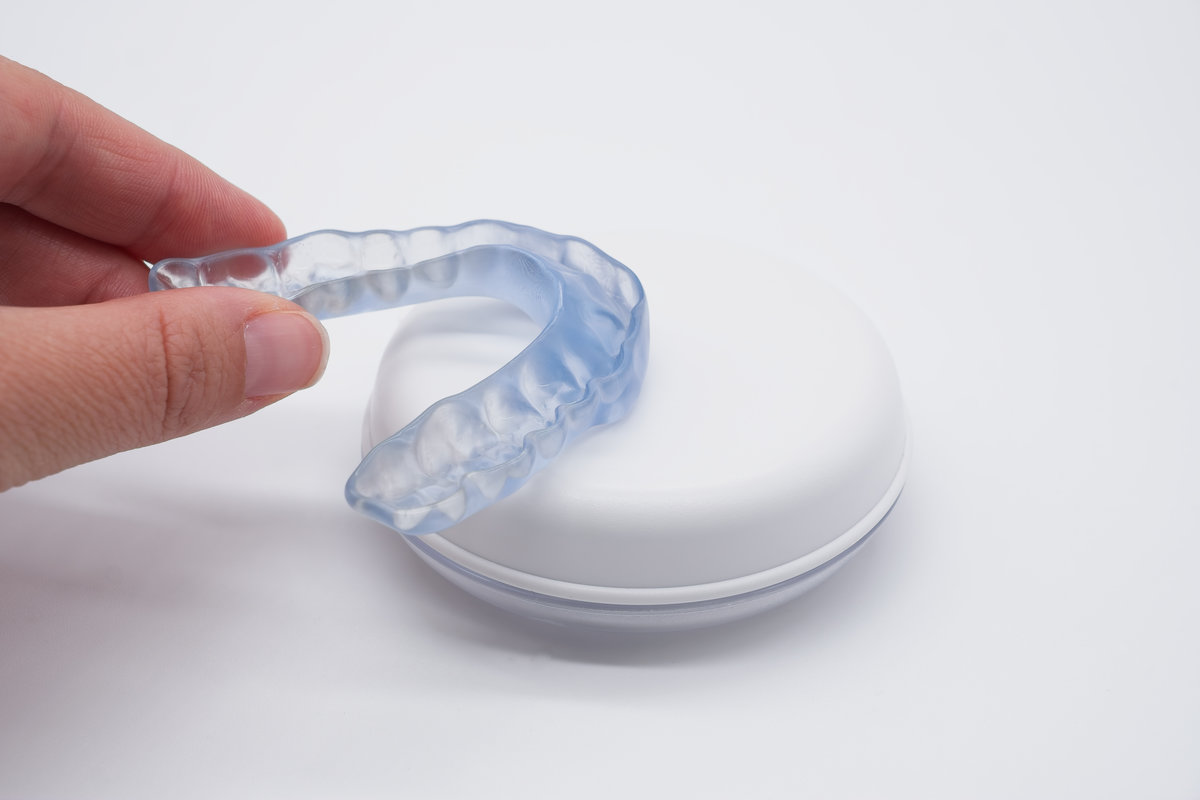
Waking up with a sore jaw or headache isn’t just annoying. It could signal teeth grinding, jaw clenching, or even sleep-related breathing issues affecting your rest and overall health. While nightguards and sleep appliances might look similar at first glance, they serve different purposes and address different problems.
At our Las Vegas practice, we help patients understand which solution fits their needs. Custom nightguards protect teeth from grinding damage, while sleep appliances tackle breathing issues during sleep. Knowing the difference can help you choose the right path toward better sleep and oral health.
Understanding Nightguards
Nightguards act like shock absorbers for your teeth. Think of them as protective gear, similar to a mouthguard athletes wear, but designed for nighttime use. They create a barrier between upper and lower teeth to prevent the damage caused by grinding or clenching.
Teeth grinding, called bruxism, often happens during sleep without you realizing it. Over time, this habit can wear down enamel, crack teeth, and cause jaw pain. A custom nightguard absorbs the force of grinding, protecting your teeth from damage. Unlike store-bought options, custom guards fit your mouth precisely, making them more comfortable and effective.
We create nightguards using digital impressions and 3D printing technology. This approach ensures a perfect fit without the mess of traditional molds. The custom design means you’re more likely to wear it consistently, which leads to better protection.
What Sleep Appliances Do
Sleep appliances serve a completely different purpose. They’re designed to keep your airway open during sleep by positioning your jaw forward. This repositioning can help reduce snoring and may benefit people with obstructive sleep apnea.
Here’s an analogy: imagine your airway as a straw. When you sleep, tissues in your throat can relax and narrow this straw, making breathing harder. A sleep appliance gently holds your lower jaw forward, which keeps the airway wider. It’s like upgrading from a coffee stirrer to a boba straw.
These devices work differently from CPAP machines. While CPAPs use air pressure to keep airways open, oral appliances use jaw positioning. Many people find them more comfortable and easier to use consistently. However, sleep appliances require proper diagnosis and fitting. Not everyone with snoring needs one, and they work best for certain types of sleep-related breathing issues.
Key Differences Between the Two
The main difference comes down to function. Nightguards protect teeth from grinding forces. Sleep appliances address breathing issues during sleep. You might compare it to the difference between a helmet and a breathing mask.
Nightguards sit passively in your mouth without changing your jaw position. They’re typically thicker and focus on cushioning impact. Sleep appliances actively reposition your jaw to maintain an open airway. They’re usually designed to move your lower jaw forward slightly.
Another key difference is how we determine which you need. Nightguards address wear patterns on teeth, jaw pain, or diagnosed bruxism. Sleep appliances require evaluation of your breathing during sleep, often involving sleep studies or assessments of symptoms like chronic snoring or daytime fatigue.
Signs You Might Need a Nightguard
Several symptoms suggest you could benefit from a nightguard. Waking up with jaw soreness or tension headaches often indicates nighttime grinding. You might also notice your teeth look shorter or more worn than they used to.
Your dentist can spot grinding signs during regular checkups. Flattened tooth surfaces, chipped enamel, or increased tooth sensitivity point to bruxism. Sometimes a partner notices grinding sounds at night before you realize there’s a problem.
Stress often makes grinding worse. If you’re going through a high-stress period and noticing jaw discomfort, a custom nightguard might help. We can assess your bite, check for damage, and create a guard tailored to your mouth.
Signs a Sleep Appliance Might Help
Different symptoms suggest sleep-related breathing issues. Chronic snoring, especially if it’s loud or irregular, can indicate airway restriction. Waking up gasping or feeling like you can’t breathe points to more serious concerns.
Daytime symptoms matter too. Constant fatigue despite sleeping enough, morning headaches, or difficulty concentrating might stem from poor sleep quality due to breathing issues. Adult sleep apnea affects your oxygen levels throughout the night, leaving you tired even after a full night in bed.
If your partner notices you stop breathing during sleep, that’s a red flag worth discussing. We can evaluate your symptoms and, if needed, coordinate with sleep physicians for proper diagnosis. Treating snoring with our laser offers another option for certain cases, addressing tissue issues contributing to airway obstruction.
Can You Need Both?
Yes, some people benefit from both devices, though not necessarily at the same time. You might use a nightguard if grinding is your primary issue, then later discover breathing problems that require a sleep appliance.
In some cases, patients alternate between devices based on current needs. Others might need a custom solution combining features of both. Every situation is different, which is why proper evaluation matters.
We take a comprehensive approach to your oral health and sleep quality. Our digital technology and focus on advanced dental solutions help us create precisely fitted devices, whether you need one or the other.
Getting the Right Solution at Dee for Dentist
Choosing between a nightguard and sleep appliance starts with understanding what’s happening in your mouth and airway. We use technology to provide accurate diagnoses and create custom solutions. Dr. Dee Dee Meevasin founded our practice with a focus on combining advanced technology with compassionate care, and our team trains other dentists on the dental technologies we use daily.
Your comfort and health matter to us. Whether you need protection from grinding or help with sleep-related breathing issues, we’re here to find the right solution. Reach out to our team to schedule an evaluation and start sleeping better tonight.