Medically Reviewed by Dr. Dee Dee Meevasin, DMD on July 15, 2026
Children who snore aren’t just loud sleepers. That sound? Restricted airflow. The nose doesn’t move enough air. Parents hear it and assume it’s normal or that the child will outgrow it. Most of the time, neither is true. The treatment window follows jaw growth. It closes around age 12.
At our Las Vegas practice, children’s airway development is something we evaluate and treat as part of complete-health dental care. Contact our team if your child shows any of the signs we describe here — an airway assessment gives you real information rather than another recommendation to watch and wait.
The Connection Between Jaw Development and Airways
The jaw and the airway are related structures. Wide jaw: room to breathe. Narrow jaw: the airway follows. We see this in practice — patients who come in for sleep concerns frequently have the same narrow arch pattern. When muscle tone drops at night, that already-narrow space closes off. That’s how it plays out.
In adults with obstructive sleep apnea, the jaw is set. We treat what’s there — oral appliance, CPAP, laser soft tissue work. We’re not changing the structure at that point. Kids are different. Their jaw bones are still forming. Sutures open. Apply force to bone that’s growing and it moves. That’s the window. Close it and that option is gone.
The causes vary: chronic mouth breathing, tongue posture, thumb habits, genetics. None of these self-correct. The jaw keeps going the way it’s already headed. Narrow arch narrows further. We see bedwetting persist well past typical age in some of these kids, connected to chronically poor sleep from an airway working too hard overnight.
What Braces Can’t Fix
We refer kids to orthodontists regularly. Braces do exactly what they’re designed to do — we’re not critical of them. The issue is that what braces do — move teeth within existing bone — is not what airway treatment requires. A child can have a textbook bite and the same narrow airway they started with.
Airway restriction is a jaw size issue. Tooth position is a separate issue. Clear aligners carry the same limitation. We’re working on bone while it’s still forming — that’s the only time this kind of structural change is possible. Arch expansion. Airway room. Not tooth repositioning. That’s the category difference.
How Early Intervention Works
The appliances are soft and flexible. Nothing like the metal brackets most people picture. Children wear them for a few hours during the day and overnight. Sustained, gentle pressure. The jaw responds. Forward. Wider. Starting at age 5 leaves more growth ahead than starting at age 10, even if both are technically within the window.
Two things: teeth get room to come in straight, and the airway opens up. We see a lot of these kids skip traditional braces entirely. Not all of them — but enough that it’s a real factor in the treatment value. The ADHD-like symptoms that often accompany poor sleep — attention problems, behavioral issues, trouble staying awake in school — frequently improve when the underlying airway restriction is addressed. We see this regularly.
The Healthy Start Program at Dee for Dentist
Dr. Dee Dee Meevasin completed formal training in the Healthy Start program. It uses a sequenced series of soft appliances — different stages for different developmental ages — targeting jaw position and arch form while also training the muscles involved in breathing and swallowing. This is not orthodontics. It works with active growth — not moving teeth within a structure that’s already finished forming.
Children who complete the program at the right developmental stage often come out with better airway dimensions, teeth in better positions, and measurably improved sleep. A lot of them skip traditional braces. Dr. Milan Montero on our team holds dual laser proficiency certification and addresses soft tissue concerns — tongue restriction specifically — which affects tongue posture and contributes to arch narrowing when left untreated. We look at sleep-disordered breathing and the jaw together, not as separate problems.
Signs Your Child May Benefit from Early Intervention
First thing we look for: mouth breathing. A child who breathes through their mouth most of the time — especially asleep — isn’t getting enough room through the nose. Snoring in children is not a quirk or a phase. That’s restricted airflow making that sound.
What else: dark circles that don’t resolve with more sleep, crowded teeth appearing before all the permanents are in, restless nights, and bedwetting that goes on past the age when most kids have moved on. These aren’t separate problems. They’re connected by disrupted sleep and compromised airway function running underneath all of them. Some pediatricians recommend watching and waiting. Waiting has a real cost here. The jaw keeps developing — in the wrong direction. Around 12, the plates close. Once that happens, structural change is off the table.
What About Adults with Sleep Apnea?
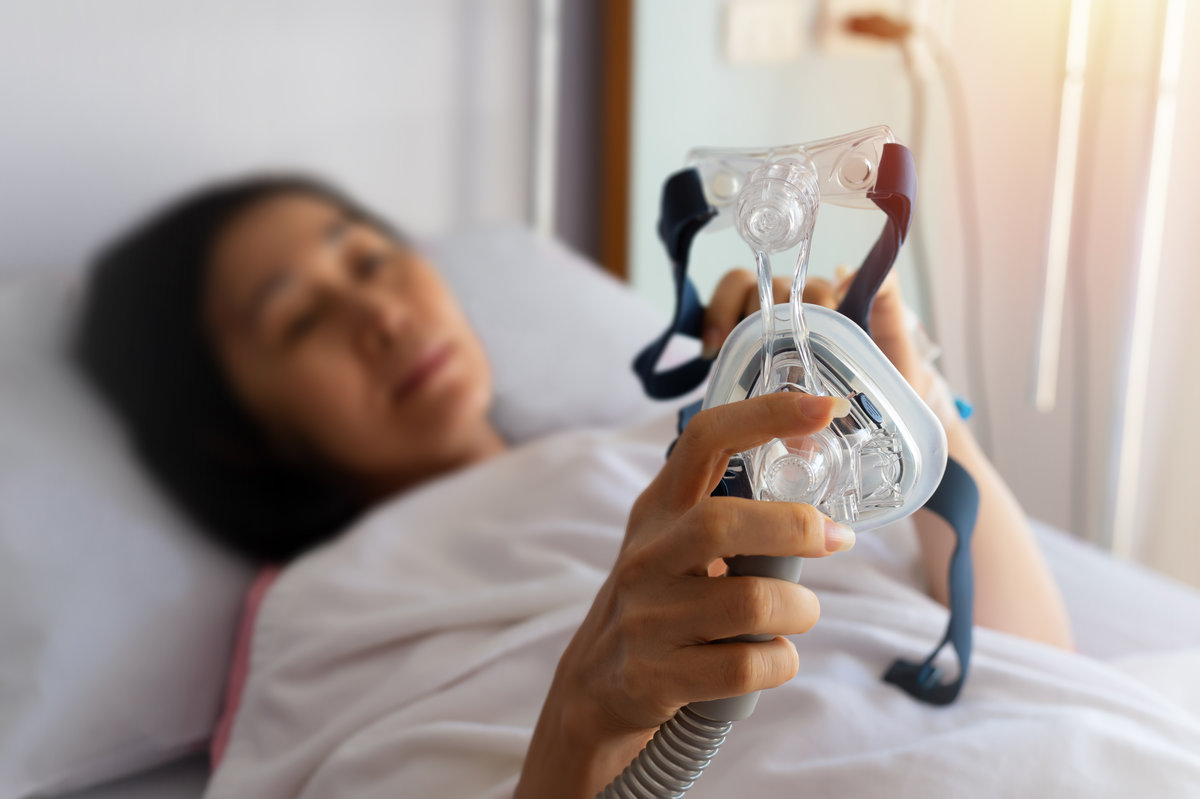
Once the skeleton is mature, the jaw is fixed. We can’t grow bone back. Adults with sleep apnea: we manage it. Oral appliance. Laser soft tissue work. CPAP coordination with their sleep physician. The anatomy is what it is. Sleep apnea in children carries the clinical label of sleep-disordered breathing because diagnostic criteria are calibrated differently for developing airways, but the trajectory is the same — an untreated narrow airway in a child becomes an untreated narrow airway in an adult. Treat during growth and you change the outcome. Treat as an adult and you’re managing whatever developed.
Schedule an Airway Assessment at Dee for Dentist
Dr. Dee Dee Meevasin, DMD and Dr. Milan Montero go deeper on airway assessment than most general practices. We look at jaw growth, breathing patterns, sleep quality, and how those connect to behavior and school performance. If your child snores or breathes through their mouth, get a proper airway assessment.
Contact our team to schedule a complete airway assessment for your child.
Frequently Asked Questions About Orthodontics and Sleep Apnea in Children
Can orthodontic treatment cure sleep apnea in children?
Braces — no. Clear aligners — no. They move teeth within existing bone. A child can go through two years of orthodontic treatment and finish with a great-looking bite and the same narrow airway they had on day one. It’s a different category from orthodontics. The appliances expand the arch while growth is active. Done right, this moves bone. Not teeth.
When should my child start airway-focused treatment?
Ages 2 to 12. During those years, jaw sutures are open and the bone responds to guidance. We’ve treated kids as young as 3. The signs aren’t subtle: mouth breathing consistently, snoring, a jaw that looks narrow. Starting at age 5 leaves more growth ahead to work with than starting at age 10. Past 12 or so, the plates close. Structural correction is no longer an option. Symptom management is.
Is snoring in children a sign of sleep apnea?
Snoring in children isn’t normal and isn’t something to wait out. The airway is restricted. Not every snoring child will meet the formal diagnostic criteria for obstructive sleep apnea, but the airway concern is real and worth evaluating regardless of what the official label ends up being. The window closes while you wait.
What is the Healthy Start program?
Healthy Start is a sequenced appliance program for children during active jaw growth. The appliances are soft and flexible, worn a few hours during the day and overnight. They expand the arch, guide teeth as they erupt, and train the muscles involved in nasal breathing. Children who complete the program at the right developmental stage typically end up with better airway dimensions, straighter teeth, and improved sleep. A lot of kids skip traditional braces afterward.
How does mouth breathing affect jaw and airway development?
Nose breathing puts the tongue against the roof of the mouth. That pressure drives upper jaw growth — wide and forward. Take that away with mouth breathing and the upper jaw goes narrow. Lower jaw follows. The airway narrows with the jaw. Long-term, mouth breathing reshapes the face: longer lower third, flatter midface, chin that recedes. Catch it during active growth and you redirect where the jaw is heading.
About the Author
Founder, Dee for Dentist, Las Vegas, NV
Dr. Meevasin is the founder of Dee for Dentist in Las Vegas. Undergrad at UC Irvine. DMD from the University of Nevada, Las Vegas School of Dental Medicine. A CEREC mentor since 2013, her clinical focus includes same-day restorations, dental implants, cosmetic dentistry, and Healthy Start sleep apnea treatment for adults and children. She is actively involved in Team Smile, Smile it Forward, and the Fills Good Program.