
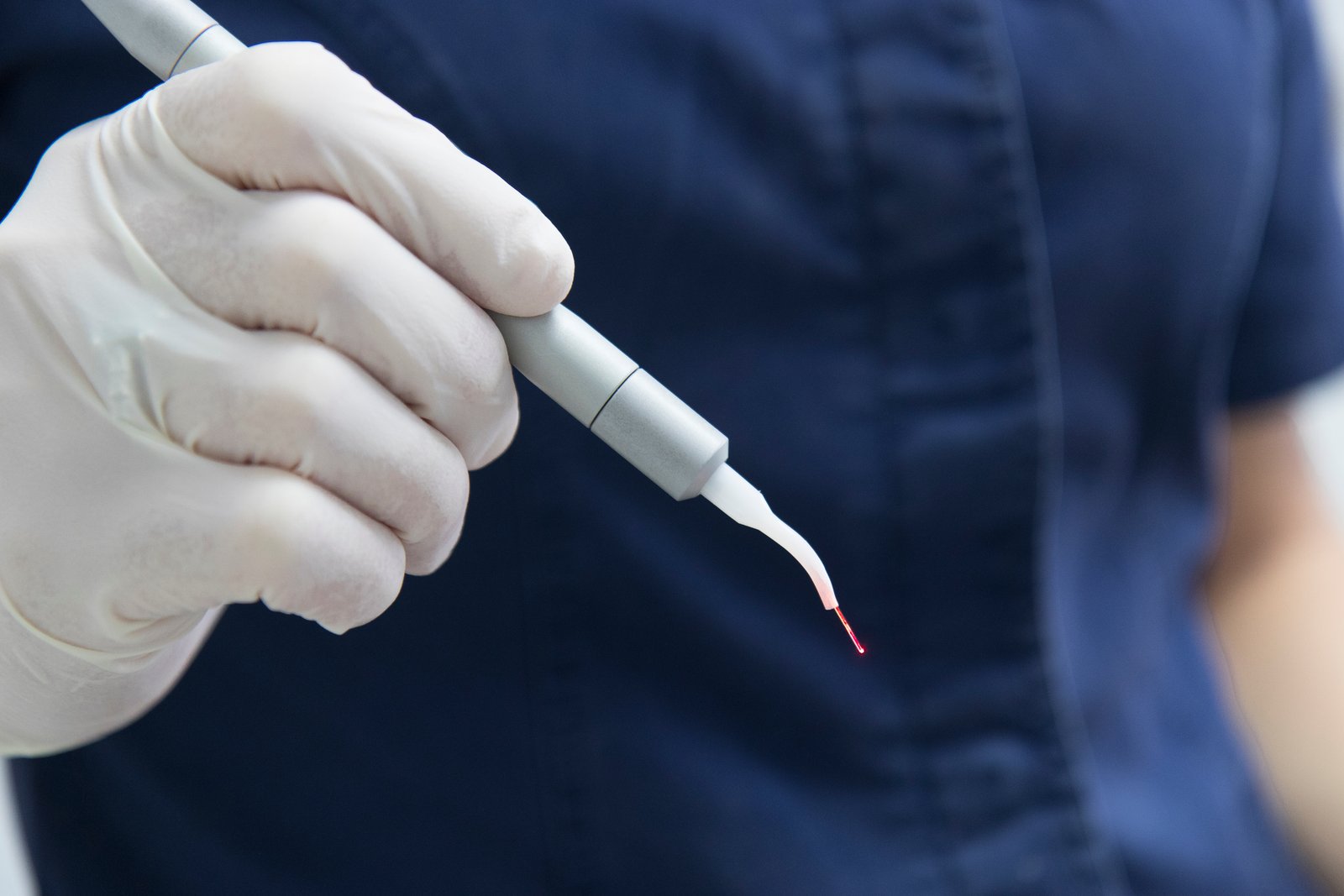
The word laser tends to bring up images from science fiction rather than a dentist’s office, but the technology has quietly become one of the most useful tools in modern dentistry. Patients often hear that a practice offers laser treatment and assume it applies to one specific procedure, when in reality a single system can address dozens of different needs across the mouth.
At Dee for Dentist, we use the Solea laser across a wide range of treatments, and patients are often surprised by just how many procedures it touches. With years of experience and commitment to patient-focused care, you can trust us to break down exactly what this technology can do, procedure by procedure, so you know what to expect the next time you’re in the chair.
What Makes Solea Different From Older Dental Lasers
Not every laser used in dentistry works the same way, and Solea stands apart because of its wavelength and the software that controls it. Older hard tissue lasers required a slower, more deliberate touch, while Solea moves in real time with the dentist’s hand, allowing faster, more precise treatment on both soft and hard tissue.
This distinction matters because it directly affects comfort. Traditional drills use friction and vibration to remove decay, both of which contribute to the discomfort patients associate with dental visits. Solea instead uses light energy, so most Solea procedures can be completed without a single injection of anesthesia.
Anesthesia-Free Fillings
One of the most requested applications of the Solea laser is anesthesia-free fillings. Because the laser removes decayed tooth structure with light rather than mechanical pressure, most patients don’t experience the vibration, heat, or pressure that typically calls for numbing.
This matters for anyone who dreads the numb lip and cheek that can last for hours after a traditional filling. It also matters for children and patients with dental anxiety, since the absence of needles and drilling sounds tends to make the entire visit far less stressful.
Composite Fillings and Restorations
Solea works exceptionally well for composite dental fillings, where precision affects both function and appearance. The laser allows for extremely controlled removal of decay while preserving as much healthy tooth structure as possible.
Because healthy enamel and dentin are left intact whenever possible, the resulting restoration tends to bond more predictably and last longer. This same precision applies to inlays and onlays, which require exact preparation to fit properly.
Laser-Assisted Crown Preparation
Preparing a tooth for a dental crown traditionally involves significant grinding, but Solea changes that process. The laser can shape the tooth structure with a level of control that reduces the need for extensive numbing and shortens chair time for many patients.
This is especially useful for patients receiving same-day crowns, as a smoother, more comfortable preparation process supports a same-visit workflow from start to finish.
Soft Tissue and Gum Treatments
Beyond hard tissue work, Solea is also used for periodontal laser therapy, including addressing gum recession, canker sores, and cold sores. The laser can reshape or treat soft tissue with minimal bleeding, since the light energy seals small blood vessels as it works.
Recovery from these soft tissue procedures is typically faster than with a scalpel, and swelling is usually minimal. This makes Solea a strong option for patients who need gum recession addressed but want to avoid a lengthy healing period.
Treating Snoring and Airway Concerns
Solea also helps treat snoring by tightening soft tissue in the throat and reducing the vibration that causes snoring sounds. This is a noninvasive alternative for patients who are not ready for a CPAP machine or oral appliance.
The following factors typically stand out to patients considering this option:
- The procedure requires no incisions or sutures
- Most patients return to normal activities the same day
- Results often become noticeable within a few weeks
- Multiple sessions may be recommended depending on severity
If snoring has become a nightly disruption for you or your household, it’s worth discussing this laser-based option at your next visit.
Root Canal Support
Laser-assisted root canal treatment is another area where Solea contributes meaningfully. The laser helps disinfect the canal system more thoroughly than mechanical instruments alone, which can reduce the risk of reinfection.
Research on laser-assisted disinfection continues to grow, and a recent evaluative study on diode laser use in intraoral procedures found statistically significant improvements in healing and post-operative outcomes compared to conventional treatment alone. This kind of evidence reinforces why laser-assisted approaches are becoming more common in modern endodontic care.
Get Solea Laser Treatment at Dee for Dentist
Not every dental office invests in a laser system this versatile, and the training required to use Solea well takes time to develop. A dentist has to understand exactly how the laser interacts with different tissue types, which is why practices that offer it often highlight the specific certifications behind that expertise.
We built our practice around giving patients access to modern, comfortable dental care without compromising on precision or safety. If any of the procedures above sound relevant to something you have been putting off, we encourage you to reach out through our contact page so we can walk you through what treatment with Solea would look like for you.