
Imagine you’re building your dream house, but the ground beneath it is too soft and sandy to support the foundation. You wouldn’t just slap down concrete and hope for the best. Your jawbone works the same way when it comes to dental implants. Sometimes, you need to reinforce what’s underneath before you can build something amazing on top. Bone grafting can help create the stable foundation needed to ensure the success of your implants.
At Dee for Dentist, we make complex procedures feel approachable. With locations in both Silverado Ranch and the Medical District, our team combines advanced technology with a down-to-earth approach to implant dentistry. We believe in helping you understand exactly what’s happening in your mouth so you can make confident decisions about your care. When bone grafting becomes necessary, we’ll walk you through every step with clear explanations and plenty of analogies to make it all make sense.
What is Bone Grafting?
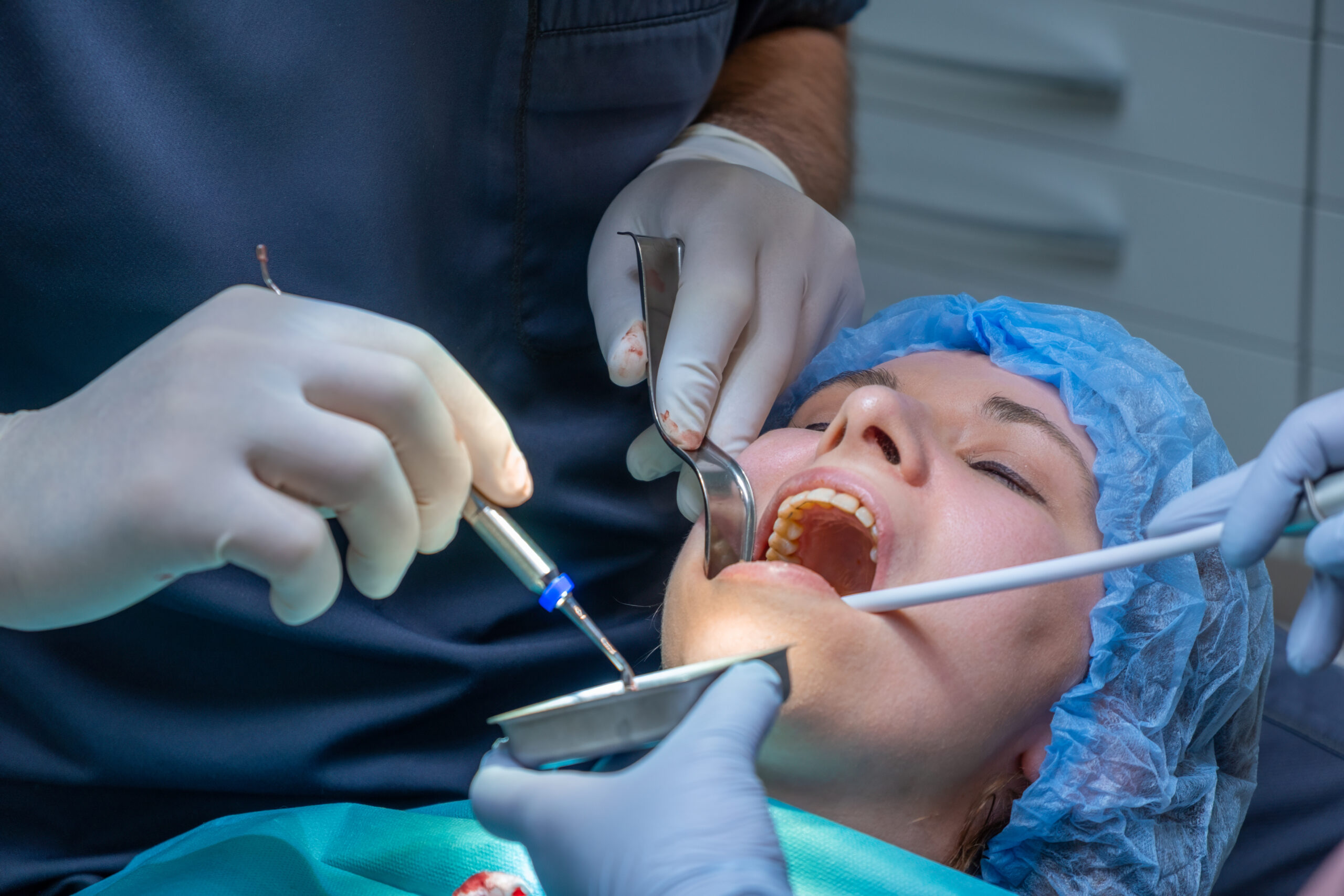
Bone grafting sounds intimidating, but it’s just a way to beef up your jawbone when it doesn’t have enough volume and density to hold an implant. We’re adding material to your existing bone so it can regenerate and become dense enough to support a titanium post.
The graft material can come from several sources. Sometimes we use your own bone from another area of your mouth. Other times, we use processed bone from a tissue bank or synthetic materials designed specifically for this purpose. Your jawbone will grow around whatever material we use, incorporating it into your natural bone structure over time.
Why Your Jawbone Might Need Bone Grafting Before Getting Implants
When you lose a tooth, you don’t just lose what’s visible above the gumline. Within months of tooth loss, you can lose as much as 25% of the bone in that area. Your jawbone is a muscle that needs exercise, so without a tooth root stimulating it, the bone begins to shrink.
Some people naturally have thinner jawbones, too. Others might have experienced bone loss from gum disease, which eats away at the supporting structures of your teeth like termites in a wooden frame. Trauma or injury can also affect bone density in specific areas of your mouth. Regardless of the cause of your jawbone loss, we work closely with you to personalize your treatments and determine if bone grafting is right for you.
When Bone Grafting Becomes Necessary
Not everyone needs bone grafting before implants. We measure your bone density and thickness during your consultation using advanced imaging technology. If your jawbone doesn’t appear strong enough to successfully support implants, we’ll need to help it grow stronger first. Generally speaking, you’ll need grafting in the following situations:
- Your bone is too thin to safely hold an implant post (usually, we need at least 1-2 millimeters of bone around all sides of the implant)
- There’s not enough vertical height for the implant length needed
- The bone quality is too soft to provide stability
- You’ve experienced significant bone loss from missing teeth or gum disease
Upper molars often need grafting because the sinus cavity sits right above them. When those teeth are missing, the sinus can expand downward like an inflating balloon, leaving very little bone for an implant. In these cases, we perform a sinus lift to create the space we need.
Alternative Options to Consider
Sometimes, bone grafting isn’t the right path forward. If you don’t have enough bone for traditional implants, mini implants might work for you. They’re narrower and need less bone support.
All-on-4 implants offer another alternative. This technique uses four strategically angled implants to support a full arch of teeth, often working around areas with insufficient bone. It’s like using the strongest parts of your existing structure to support the whole building. Removable dentures are an option, too, though they don’t provide the same stability or prevent ongoing bone loss the way implants do.
Schedule a Dental Implant Consultation With Dee for Dentist
We’ve spent years perfecting our implant procedures, using cutting-edge technologies such as 3D imaging and printing. Our vision is simple: help you live longer and smile more. Dr. Chen’s background in implantology means you’re working with someone who truly understands the science and artistry of creating stable, long-lasting implant restorations.
We’re here to walk you through every step, answer every question, and make sure you feel confident in your treatment plan. Our approach is all about making advanced dentistry feel accessible and understandable. Contact us today to schedule your consultation and find out if bone grafting is part of your path to a restored smile.