Snoring is often dismissed as a common nuisance, but it can be a sign of underlying health issues, including dental problems. While most people associate snoring with sleep disorders, few realize that their oral health may play a significant role. Various dental issues, from misaligned teeth to jaw structure, can contribute to airway obstruction and be symptoms of dental-related snoring. Understanding the connection between dental health and snoring and the symptoms associated can help you take proactive steps toward better sleep and overall well-being.
At Dee for Dentist, we specialize in identifying and treating dental conditions that affect your sleep quality. With advanced technology and a dedicated team, we aim to provide comprehensive care that improves both your oral health and sleep patterns. If snoring is impacting your life, our experts are here to help you find the right solution. Please get in touch with us to schedule a consultation with one of our dedicated dental practitioners. We look forward to getting to know you and working together to improve your health.
What Are Common Symptoms and Risk Factors of Dental-Related Snoring?
Several symptoms and risk factors might result in snoring and other sleep-related problems. If you notice any of the following symptoms or risk factors, we encourage you to contact us to begin learning about treatment options:
Missing teeth
Jaw misalignment, including TMJ (also called TMD or TMJD)
Grinding teeth, also called bruxism
Excess bone in the lower jaw
Overweight
Age 40 or older
Large tongue
Large tonsils
Small jaw
Nasal obstructions due to sinus issues, allergies, deviated septum, or similar issues
Family history of sleep apnea
Depending on your circumstances, we can discuss whether you would benefit from one of our dental procedures that target snoring and sleep health. We invite you to schedule a consultation to discuss your concerns, where we can talk about your medical history, allergies, and other relevant information. Dee for Dentist can make a significant difference in your well-being through personalized attention and unique dental care.
How Do Dental Issues Contribute to Snoring?
Dental issues can contribute to snoring in ways you might not consider, as they can block off access to essential airways. This can make breathing difficult, especially for those with certain health concerns, back sleepers, those who clench or grind their teeth, and certain other dental patients.
Excess bone in the lower jaw can push the tongue back toward the airway, further reducing the ease of airflow. Missing, crowded, or other issues with teeth alignment can also make it harder to breathe when asleep. Bite issues may also contribute to snoring.
Certain appliances can make it easier to breathe, though each one has different positive and negative impacts. Which one is best will depend on your specific circumstances, needs, and health goals. We encourage you to speak with Dee for Dentist about your options, and we can discuss them in greater detail during your consultation.
How Can Dental Treatments Help Reduce Snoring?
Depending on the circumstances, multiple treatment options can help reduce snoring during your rest. Whether you get a CPAP machine, braces, a retainer, botox, laser palate rejuvination, or a sleep appliance, we can help you improve your sleep.
Most of these dental treatments work by adjusting bite, jaw alignment, or teeth alignment, increasing the ease of breathing by opening up the airways. This process should increase your quality of life, improve your sleep, reduce fatigue, and lead to quieter nights in your home.
If you want any additional information about reducing snoring, determining whether you have a sleep-related breathing issue, or other aspects of your dental health, please contact us. At Dee for Dentist, we are dedicated to providing our patients with the high-quality care and attention they deserve. We want to ensure you feel comfortable and confident working with us, so reach out to us when you’re ready to begin.
Concerned About Dental Issues Impacting Your Sleep? Learn More With Dee for Dentist
Snoring caused by dental issues can significantly impact your sleep quality and overall health. At Dee for Dentist, we specialize in diagnosing and treating these conditions with advanced technology and a compassionate approach. Our dedicated team — led by the dedicated and talented Dr. Dee — is committed to improving your oral health and ensuring you get a restful night’s sleep.
We offer personalized treatment plans tailored to address your specific needs, helping you breathe easier and snore less. Don’t let snoring disrupt your life any longer. Contact us at our Silverado Ranch location at (702) 586-7800 or our Medical District location at (702) 870-3818, or use our contact form to schedule a consultation today. We look forward to speaking with you, learning about how we can help, and improving your dental care.
Sleep apnea is a severe condition affecting people from all walks of life. However, most children cannot be diagnosed with sleep apnea because of their developmental state. Certain factors can indicate that your child is at risk for sleep apnea, and there are steps your family can take to prevent the onset. Recognizing and addressing symptoms as early as possible can significantly impact your child’s overall health and development. Understanding when to begin sleep apnea prevention with your child’s dentist can help ensure they get their much-needed healthy sleep.
But when is the right time to start thinking about sleep apnea prevention for your child? At Dee for Dentist, we use Healthy Start to treat children’s sleep-disordered breathing, and your child can begin as young as two. We can help lessen the chances of your children developing sleep apnea through early intervention. Reach out to us as soon as possible to begin your child’s Healthy Start treatment.
Signs of Sleep-Disordered Breathing in Children
If you are concerned that your child might be at risk for developing sleep apnea, there are several signs you might have noticed. We encourage you to look for and track these symptoms and signs of sleep-disordered breathing. You should tell your child’s dentist about these signs at your next visit.
The following are some of the most common signs of sleep-disordered breathing in kids:
Snoring or snorting while sleeping
Gasping between breaths, heavy breathing, or mouth breathing while asleep
Restless sleep or sleeping in unusual positions
Night terrors
Nighttime sweating
Coughing or choking while sleeping
Daytime sleepiness
Behavioral problems or irritability during the day
Learning problems or trouble paying attention in school
Weight gain
Morning headaches
Bedwetting in a child who would have previously stayed dry at night
Other symptoms may also indicate sleep-disordered breathing, which can develop into adult sleep apnea. Therefore, we encourage you to speak with your Dee for Dentist provider as soon as possible. Our team can help mitigate long-term issues and treat sleep-disordered breathing through our Healthy Start program. For children as old as twelve, Healthy Start can prevent the onset of sleep apnea when they are older.
When Should Your Child Start Sleep Apnea Prevention?
Dr. Dee and Dr. Montero are both Healthy Start specialists, and our Dee for Dentist team can help you throughout the process. We treat children ages two to 12 with Healthy Start, but we encourage you to contact us as soon as possible. The sooner your child begins Healthy Start, the better their odds of avoiding a sleep apnea diagnosis.
How Does Early Detection and Intervention Help?
Detecting the early symptoms of sleep apnea and intervening with the appropriate treatment can improve your child’s overall health and well-being in the long run. For example, treating sleep-disordered breathing sooner rather than later can help reduce the risk of many health conditions, including heart disease, diabetes, stroke, and the onset of sleep apnea.
Children with sleep-disordered breathing can often avoid complex equipment and masks later in life with early intervention. Detecting the signs and treating them with Healthy Start can help ensure that a child’s anatomy forms correctly. Healthy Start can make breathing far easier in the long run, making sleep more restful for your children.
How Can Your Dentist Help With Your Child’s Sleep-Disordered Breathing?
We can help your child manage sleep-disordered breathing. Dee for Dentist can utilize many helpful tools for diagnosing, managing, and treating sleep-disordered breathing. Through these methods, we can determine if your child requires sleep apnea prevention and how to proceed if they do.
We can also help your child by getting them started on Healthy Start or other dental treatments. Our providers can make decisions based on your child’s needs, circumstances, and candidacy. We prioritize every patient’s comfort, ensuring your child feels confident during their care with us. Contact us to learn more about how we can assist your whole family.
Begin Sleep Apnea Prevention for Your Child: Contact Dee for Dentist to Schedule a Consultation
Recognizing and addressing symptoms that lead to sleep apnea is essential. However, Healthy Start can significantly impact your child’s health and development. At Dee for Dentist, we specialize in identifying symptoms of sleep-disordered breathing and preventing sleep apnea through our advanced Healthy Start program, helping ensure your child gets the restful sleep they need for a bright future. Our dedicated team can guide you through every step of the process, meaning your child can receive personalized care and support tailored to their needs.
Don’t wait to take action. Early detection and intervention can help prevent long-term health issues associated with sleep apnea. Contact Dee for Dentist today to learn how we can assist in managing and preventing sleep apnea for your child and your whole family. Call Silverado Ranch (Las Vegas, NV): (702) 586-7800, Medical District (Las Vegas, NV): (702) 870-3818, or complete our contact form.
Choosing the best orthodontic treatment for your child can be challenging. With various options available, it’s essential to understand the benefits and drawbacks of each. Clear aligners, an increasingly popular choice, offer a discreet and comfortable alternative to traditional braces. But are they suitable for your teen’s specific dental needs?
We’re here to explore what clear aligners are, how they work, and the factors to consider when deciding if they are a good option for your child’s orthodontic care. At Dee for Dentist, we’re dedicated to comfort, great results, and state-of-the-art care for patients of all ages. We can help you and your family make the best dental decisions tailored to your collective needs.
What Are Clear Aligners?
Clear aligners are most well-known under the brand Invisalign, but additional brands and options exist for these more aesthetically pleasing options. Once considered an alternative to traditional metal braces, clear aligners can also treat a wide range of dental issues.
These clear aligners are custom made for each patient who uses them, ensuring there is comfort during every step of the process.
Clear aligners can close gaps, correct your bite and crowding, and improve overall gum health. They can also improve the appearance of a patient’s smile.
How Do Clear Aligners Work?
In short, clear aligners work by applying gentle pressure to a patient’s teeth, ushering them into a healthier and more functional place over time. They work exceptionally similarly to traditional braces. To work properly, clear aligners should be worn for at least 22 hours per day, only being removed for eating, drinking, and cleaning teeth.
Generally, a patient will use one set of clear aligner trays for a week or two and then switch to a new set on a regular basis. Most patients will use clear aligners for approximately six months, though treatments may last longer for some more severe cases.
After the full treatment, most patients will need to wear a retainer to maintain the overall placement and appearance of their smiles. Eventually, they will be able to wear these retainer trays only at night.
In many cases, clear aligners and traditional braces are similar in price, though this will depend on your provider and your insurance. If you have any additional questions about clear aligners and how they work, feel free to reach out to Dee for Dentist. We’re happy to answer your questions.
Are Clear Aligners a Good Choice for Your Teen?
While clear aligners can work for teenagers, not every teen is the best candidate for this dental tool. Your teen must be trusted to keep their aligners in, avoid losing them, and care for and clean them properly. Again, the aligners work best when kept in for 22 hours a day.
Traditional braces may also be a more ideal choice in some cases. While clear aligners can treat a wide range of dental problems, they work best in mild or moderate cases. In more severe cases, braces are a much more practical option for individuals of all ages.
If you have any other questions about your child’s candidacy for clear aligners, please give us a call. The team at Dee for Dentist can have a consultation where we gain an in-depth understanding of your child’s medical history, dental needs, and level of maturity. We can help you make the best decision for your family.
Why Choose Dee for Dentist for Your Teen’s Clear Aligners?
At Dee for Dentist, we prioritize your child’s comfort and health through our state-of-the-art treatments. Our team is committed to providing personalized care, ensuring each patient receives the best possible results. With our advanced technology, including digital and surgically guided implants, we stay at the forefront of dental innovations. Our expertise in the Healthy Start program allows us to address sleep apnea in children effectively.
We understand the unique needs of younger patients and strive to create a welcoming environment for them. By choosing Dee for Dentist, you’re ensuring your child receives the highest standard of orthodontic care. Schedule a consultation today to discuss if clear aligners are right for your child. Call us at Silverado Ranch (Las Vegas, NV): (702) 586-7800 Medical District (Las Vegas, NV): (702) 870-3818 or use our contact form.
Many people view snoring as a minor annoyance, but it can be a symptom of more severe health issues. Interestingly, the source of the problem may lie within your mouth. Dental issues can play a significant role in the development of snoring, impacting not just your sleep quality but also your overall health. Let’s explore the surprising connection between oral health and snoring, and provide insights into how addressing dental problems can help you or your loved ones achieve more restful nights.
At Dee for Dentist, we offer comprehensive dental care, focusing on patient comfort and advanced technology. Our services include cosmetic, general, and pediatric dentistry treatments, as well as sleep disorder care and snoring. Addressing dental problems can significantly reduce snoring, improving sleep quality and overall well-being. If you think you may have sleep apnea, we encourage you to reach out to our team to schedule an appointment.
What Are the Common Causes of Snoring?
There are several possible causes of snoring, some of which include dental issues you should get addressed. The following are some of the most common causes of snoring or other poor sleep symptoms:
Obstructions from sleep apnea
Nasal congestion
Drinking alcohol
Smoking tobacco
Being overweight
Narrow airways due to genetics
Irregular sleep schedule
Aging
Sleeping on your back
Depending on the circumstances and symptoms you’re experiencing, you may be able to take action and treat the issue. Any problems connected to sleep apnea or dental concerns may be diagnosable at Dee for Dentist. We would be happy to walk you through your options for moving forward with your care.
When Should You See a Dentist for Snoring Issues?
If you snore at night or feel fatigued during the day, we encourage you to visit a dentist. Fatigue and snoring could indicate that you have sleep apnea or other dental issues, and your dentist can help you determine whether you would benefit from treatments.
We may have you undergo specific testing and observation to determine what dental or medical issues may impact your sleep. From here, our team can provide a formal diagnosis, recommend treatment plans, and refer you to additional specialists if necessary. We look forward to meeting you and supporting you to achieve your sleep and smile goals.
What Are Healthy Start™ Appliances and How Can They Help?
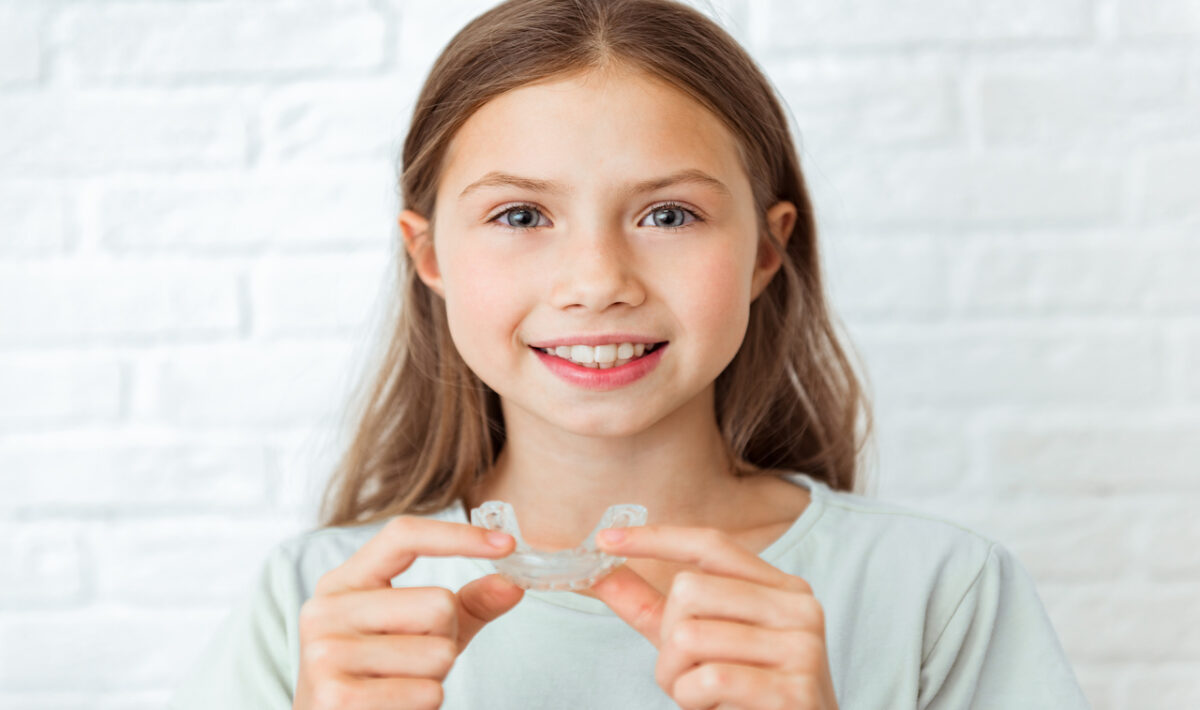
Healthy Start™ appliances are part of a program intended to help children who might be at an increased risk for developing sleep apnea. The program treats the problem by using a series of comfortable oral appliances (think a sports mouthguard) that guides jaw bone development allowing for the proper space for teeth to come in straight and the proper size airway to develop. This process helps children grow healthfully and breathe more clearly at night. If you notice your child between the ages of two and 12 is snoring or exhibiting other signs of the issue, we can help.
We are dedicated to providing outstanding care to children and their families through Healthy Start™ and other treatment plans. By using Healthy Start™ appliances, children are far less likely to require additional treatments or a CPAP when they are older.
While children older than 12 are not likely to be eligible for Healthy Start™ appliances, Dee for Dentist also provides additional treatment plans and care options that may help. We encourage you to reach out to our team to learn more about your options based on your lifestyle, goals, and concerns.
Why Choose Dee for Dentist for Your Snoring Issues?
At Dee for Dentist, we understand the significant impact that snoring can have on your overall well-being. Our dedicated team is committed to helping you achieve better sleep through comprehensive dental care tailored to address the root causes of snoring. By utilizing advanced technology and personalized treatment plans, we strive to improve not only your sleep quality but also your overall health.
With specialized services for sleep apnea, Healthy Start™ appliances for children, and a patient-focused approach, we offer a range of solutions to meet your needs. Don’t let snoring disrupt your life any longer. Contact Dee for Dentist today to schedule an appointment and take the first step toward a restful night’s sleep. Reach us at Silverado Ranch (Las Vegas, NV): (702) 586-7800 or Medical District (Las Vegas, NV): (702) 870-3818, or visit our contact form.
If you ever notice your kiddo waking up exhausted, even after a full night of sleep, it may be due to issues with your child’s airway, making them an excellent candidate for Healthy Start. Healthy Start is a fantastic treatment option for children to prevent adult sleep apnea from developing later in life. Common symptoms of sleep-disordered breathing often go overlooked. If your child snores, grinds, wets the bed, has focus or attention issues, or has crooked teeth, they are at high risk for developing sleep apnea as an adult. The great news is that there is an active and non-invasive treatment we can do that can help prevent this.
This fantastic option can significantly reduce the likelihood that your kids will need more costly, stressful, or invasive sleep apnea care. Call Dee for Dentist to schedule a free consultation, and we can get started on improving your child’s sleep.
Introduction to Healthy Start
Healthy Start is a non-invasive treatment option designed to address sleep disordered breathing (SDB) in children. SDB can lead to a range of issues, including sleep apnea, mouth breathing, and behavioral problems. By guiding the development of the jaw bones and promoting proper airway alignment, Healthy Start can help children develop properly and reduce the risk of sleep apnea and other related health issues. This system is typically worn at night, but some children may also wear it for short periods during the day to help train their muscles and improve breathing.
Pediatric sleep disordered breathing (SDB) is a common issue affecting many children. It can cause a range of symptoms, including bed wetting, chronic allergies, and aggressive behavior. SDB can also lead to more severe health issues, such as sleep apnea, if left untreated. The Healthy Start system is an effective treatment option for SDB, as it works to open up the airway and promote nasal breathing. By addressing the root causes of SDB, Healthy Start can help improve a child’s overall health and well-being. Children with SDB may exhibit symptoms such as snoring, mouth breathing, and difficulty sleeping, which can impact their daily life and behavior.
What Is Healthy Start and How Can It Improve Your Child’s Sleep?
Healthy Start is a noninvasive system designed to guide the development of the jaw bones allowing for the proper spacing for incoming teeth and the development of the proper size airway. Consulting a child’s dentist is crucial for evaluating and treating dental issues related to sleep-disordered breathing. These custom oral appliances are a series of soft oral appliances, similar to a sports nightguard, that a child wears to sleep.
While these appliances are typically worn at night, some kids may benefit from wearing them for short periods during the day. This practice can help them get used to the tool and train their muscles, leading to healthier alignment of the child’s jaw and easier breathing in the long run.
What are the Signs Your Child Might Have Disordered Sleeping?
If you are worried your child might suffer from disordered sleeping, we recommend keeping an ear out for a few signs:
Heavy breathing while asleep
Restless sleep
Bedwetting
Snoring, including those with pauses, snorting, or gasping
Daytime sleepiness or behaviors impacted by lack of rest, like irritability, tantrums, or other behavioral issues
Headaches in the morning
Symptoms of ADD or ADHD
Teeth crowding
Eye bags
Problems with bite
Recognizing sleep disordered breathing symptoms early can help in preventing long-term health issues.
Additional symptoms may indicate a child is not sleeping as well as they could be, so we encourage you to talk with a qualified practitioner. Healthy Start works well for children aged two through 12 to prevent the onset of adult sleep apnea.
We can help conduct tests, provide a formal diagnosis, and discuss various prevention and treatment options, including Healthy Start. Healthy Start ensures that children receive enough oxygen at night, improving their overall well-being. When you work with a provider at Dee for Dentist, we can provide you with extensive guidance and support.
Non-Invasive Treatment Options
The Healthy Start system is a non-invasive treatment option for sleep disordered breathing (SDB) in children. This system works by guiding the development of the jaw bones and promoting proper airway alignment, which can help reduce the risk of sleep apnea and other related health issues. Unlike other treatment options, such as surgery or CPAP machines, Healthy Start is a gentle and non-invasive approach that can be worn at night or during the day. The system is designed to be comfortable and easy to use, making it an ideal treatment option for children. Additionally, Healthy Start can help prevent future orthodontics and promote straight teeth, reducing the need for costly and invasive procedures later in life.
How Does Healthy Start Work to Prevent the Onset of Sleep Apnea?
Healthy Start is made to mitigate the need for sleep apnea interventions such as a CPAP in adulthood. By correcting bite, palate, and jaw development, there’s less need for future orthodontics, loud sleep apnea appliances, or medications. Like training wheels on a bike, Healthy Start trains your kiddo’s muscles and tongue to develop correctly.
When sleep-disordered breathing is treated early, it can prevent the need for more invasive treatments later on.
The Difference Before and After Healthy Start
Healthy Start is an excellent way to prevent adult sleep apnea. Most adults develop sleep apnea because their airways are too narrow, leading to a compromised airway that can only manage the symptoms of this disorder after it develops.
Imagine that a normal, healthy airway is meant to be the size of a boba straw. Those who face sleep apnea may have an airway, comparatively, the size of a coffee stirrer. A compromised airway can prevent proper airflow and oxygen flow to the brain during sleep, impacting overall brain function.
However, with an excellent preventative therapy like Healthy Start, the risk for sleep apnea significantly diminishes. While adults cannot reverse sleep apnea and improve the size of their airways, not all hope is lost for our children. This option allows your child’s airways to develop properly, so they are less likely to require sleep apnea management tools—like a CPAP machine—later in life. Essentially, we’re helping to ensure that children have a healthy, boba straw-sized airway.
Symptoms That Healthy Start Can Reduce
The Healthy Start System reduces mouth breathing, snoring, and speech difficulties. Children suffering from sleep-disordered breathing can experience a range of negative effects, including difficulty breathing and daytime drowsiness. If you have questions about the system and whether your child is eligible, please contact Dee for Dentist. We’re more than happy to explain the process and provide additional options for improving your child’s well-being.
Risks of Untreated Sleep Apnea
Untreated sleep apnea can lead to a range of serious health issues, including high blood pressure, insulin resistance, and an increased risk of heart attack and stroke. In children, sleep apnea can also lead to behavioral problems, such as ADHD, and can impact their ability to focus and learn. Furthermore, sleep apnea can cause chronic allergies, bed wetting, and nightmares, which can significantly impact a child’s quality of life. If left untreated, sleep apnea can also lead to complications such as narrow airways, crooked teeth, and aggressive behavior.
The Healthy Start system can help reduce the risk of these complications by addressing the root causes of sleep disordered breathing and promoting proper airway alignment. By treating sleep apnea early on, parents can help their children develop properly and reduce the risk of related health issues later in life. It is essential for parents to schedule an appointment with a child’s dentist to discuss the risks of untreated sleep apnea and explore treatment options, such as the Healthy Start system.
Improve Your Sleep Quality: Contact Dee for Dentist for Guidance and Peaceful Nights
Ready to banish the boogeyman of bad sleep from your kiddo’s closet? Many children experience improvements in their sleep quality immediately after starting the Healthy Start program. It’s time to give Dee for Dentist a call and talk about the Healthy Start System. Think of us as the sleep fairy godparents, ready to sprinkle magical, mask-free mojo into your child’s sleep routine. Dr. Dee is a specialist in the Healthy Start System.
Don’t let restless nights interrupt your child’s health. Call (702) 586-7800 or complete our contact form to get started with our dedicated providers. Only a handful of dentists offer Healthy Start in our area, so our team is an excellent option to improve your child’s long-term health and development. Book a consultation, and let’s chat about how Healthy Start can be the incredible option your little one needs.
If you’re hunting for teeth whitening treatments in Las Vegas, NV that won’t leave your teeth feeling like they’ve just gone through a frosty ordeal, you’re in the right place. Sensitive teeth can turn the pursuit of pearly whites into a painful endeavor, but don’t worry, we’re here to help you achieve a bright smile without pain.
So, how can you flash that smile without the flinch? Here’s your go-to guide for selecting the best teeth whitening method that caters to those delicate chompers.
Understanding Teeth Sensitivity and Whitening
Before we dive into the methods, let’s get a quick overview of why teeth whitening sometimes hurts.
Basically, if your enamel (the tough outer layer of your teeth) has worn down a bit, resulting in worn enamel, it exposes the dentin underneath. It’s closer to your nerves and doesn’t take too kindly to extreme temperatures or harsh chemicals. That’s why when you hit it with some whitening products, it can feel like your teeth are throwing a fit. Whitening products can also lead to increased sensitivity, especially in people with worn enamel.
Your Go-To Options to Whiten Sensitive Teeth
So, what are your choices for sensitive teeth whitening in Las Vegas NV? There are effective teeth whitening options available for people with sensitive teeth, providing gentle and targeted solutions that minimize irritation. Let’s take a look at them below, along with their benefits and downsides:
1. Whitening Toothpastes
Whitening toothpastes can be a great start. They’re generally less harsh than other methods because they remove surface stains rather than changing the natural color of the teeth. Look for toothpastes specifically designed for sensitive teeth that contain milder abrasives and components like potassium nitrate or strontium chloride to reduce sensitivity, and check for gentle whitening ingredients to ensure effective yet safe stain removal.
Pros
Gentle use: Great for daily use and generally gentler than other methods.
Easy access: Available everywhere and doesn’t require a change in routine.
Cons
Limited impact: Only removes surface stains, so it’s not your pick for deeper whitening.
Slow results: May take several weeks to notice a difference.
2. Whitening Strips
Whitening strips are quite popular and can be effective even for sensitive teeth as long as you choose wisely. These strips are a type of teeth whitener, so it’s important to select products specifically designed for sensitive teeth. Opt for strips labeled for sensitive teeth, as they feature a lower concentration of bleaching agents like hydrogen peroxide or carbamide peroxide.
Applying them for a shorter duration than recommended initially can also help minimize discomfort. Improper use of whitening strips can lead to gum irritation and gum sensitivity, so always follow the instructions carefully. Whitening strips can be teeth whitening safe for people with sensitive teeth when used as directed and when choosing products formulated for sensitivity.
Pros
Super effective: More powerful than toothpastes, strips can tackle deeper stains.
Convenient: Easy to use at home and on your own schedule.
Cons
Sensitivity issues: Can cause sensitivity due to the peroxide, especially if worn too long.
Uneven whitening: They don’t cover all areas evenly at times, leading to patchy results.
3. LED Light Whitening
LED whitening kits are all the rage, combining the power of a bleaching agent with LED light to accelerate the process. For your sensitive teeth, make sure the gel has a lower concentration of peroxide and try using the light for shorter periods. This teeth whitening method can offer significant results, delivering noticeable results in a short period with less exposure to harmful chemicals.
Pros
Immediate results: Offers quicker results than strips or toothpaste.
High tech: Feels like you’re getting cutting-edge treatment.
Cons
Potential for pain: Can increase sensitivity due to the stronger bleaching agents.
Pricey: Generally more expensive than other at-home methods.
4. Professional Treatments
If DIY methods seem daunting, consulting with a dental professional is a wise move. Dentists specializing in teeth whitening can provide tailored treatments based on your sensitivity levels, such as in-office laser treatments or custom-made trays with professional-grade gel. These professional treatments help achieve desired results for individuals with sensitive teeth by using gentle techniques and proper aftercare. Dental professionals often use products approved by the American Dental Association, ensuring both safety and efficacy. Additionally, your dentist can recommend the best teeth whitening products for your specific needs. With professional treatments, you can achieve a whiter smile safely and effectively.
Pros
Tailored to you: Customized treatments can cater specifically to your level of sensitivity.
Most effective option: Offers the most dramatic and fastest results.
Cons
Cost: It’s the priciest option of the bunch.
Time commitment: Requires visits to the dentist or wearing trays at home.
Reducing Sensitivity During and After Whitening
Achieving a brighter smile shouldn’t come at the cost of increased tooth sensitivity. For those with sensitive teeth, it’s essential to take extra steps to minimize discomfort during and after any teeth whitening treatment. The good news? With the right approach, you can enjoy a radiant smile while keeping sensitivity in check.
Start by choosing gentle whitening methods and always follow instructions carefully. Using a desensitizing toothpaste that contains potassium nitrate or strontium chloride before and after your whitening treatment can make a big difference. These ingredients help calm the nerves inside your teeth, making them less reactive to hot or cold foods and reducing overall sensitivity.
When selecting teeth whitening products, look for options specifically designed for sensitive teeth. These products typically contain lower concentrations of hydrogen peroxide or carbamide peroxide, which are effective at removing surface stains but gentle enough to minimize irritation to your teeth and gums. Whitening strips can also be a smart choice, as they allow you to control how long the whitening agent is in contact with your teeth—using them for shorter periods can help reduce sensitivity.
Don’t underestimate the importance of regular dental check-ups. A dental professional can spot issues like gum recession or enamel erosion that may contribute to sensitivity, and they can recommend professional whitening treatments tailored to your needs. Professional whitening treatments often use advanced techniques and gentle whitening agents to brighten your smile while protecting your oral health.
In addition to product selection, maintaining good oral hygiene is key. Use a soft-bristled toothbrush to avoid aggressive brushing that can wear down enamel, and steer clear of harsh chemicals that could exacerbate sensitivity. Protecting your enamel from erosion is crucial for keeping your teeth strong and less sensitive during the whitening process.
For extra comfort, consider using desensitizing gels before or after your whitening treatment. Some whitening products also include baking soda, which can help remove surface stains while being gentle on sensitive teeth. These small steps can go a long way in alleviating discomfort and ensuring your whitening experience is as pleasant as possible.
By combining gentle whitening methods, careful product selection, and regular dental check-ups, you can safely whiten sensitive teeth and achieve the bright, healthy smile you’ve always wanted. Remember, a little extra care goes a long way in minimizing discomfort and maximizing your whitening results!
That’s a Wrap!
Teeth whitening for sensitive teeth means finding that sweet spot between effectiveness and gentleness. Start with the least invasive method and work your way up as needed. When choosing how to whiten teeth, always consider your dental health to ensure you select a method that is safe and suitable for your needs. Always follow the product instructions to a tee, and if you’re ever in doubt, your dentist is just a call away!
Whether you opt for the simplicity of a whitening toothpaste or go full pro with a dentist’s touch, choosing the right method for your smile can make all the difference. Safe whitening teeth practices are essential for maintaining long-term oral and dental health. Remember, you’re in charge of your oral health. Take it slow, keep your teeth’s best interests at heart, and soon enough, you’ll be lighting up the room with your dazzling smile!
Interested in Professional Teeth Whitening in Las Vegas, NV?
If you’re looking to brighten those pearly whites without the drama of sensitive teeth reacting badly, Dee for Dentist is here for you. We specialize in professional teeth whitening that’s tailored to your dental needs and comfort level. Our treatments are designed to help alleviate discomfort for those with sensitive teeth, ensuring a more pleasant whitening experience. Don’t wrestle with kits at home. Come on in and let us take care of you!
To maintain your whitening results, remember that good oral hygiene is essential—regular brushing and flossing help remove food particles and prevent stains, keeping your smile bright and healthy.
Have you ever looked in the mirror and wished for a brighter, more dazzling smile? Teeth whitening and bleaching are two popular methods that promise to enhance the appearance of your teeth, but what exactly sets them apart?
With the expertise of a cosmetic dentist in Las Vegas, these processes can give you a stunning smile. But before you decide to whiten or bleach your teeth, it’s important to understand what each procedure involves, its benefits, and considerations.
Teeth Whitening: Restoring Natural Brilliance
Understanding Teeth Whitening
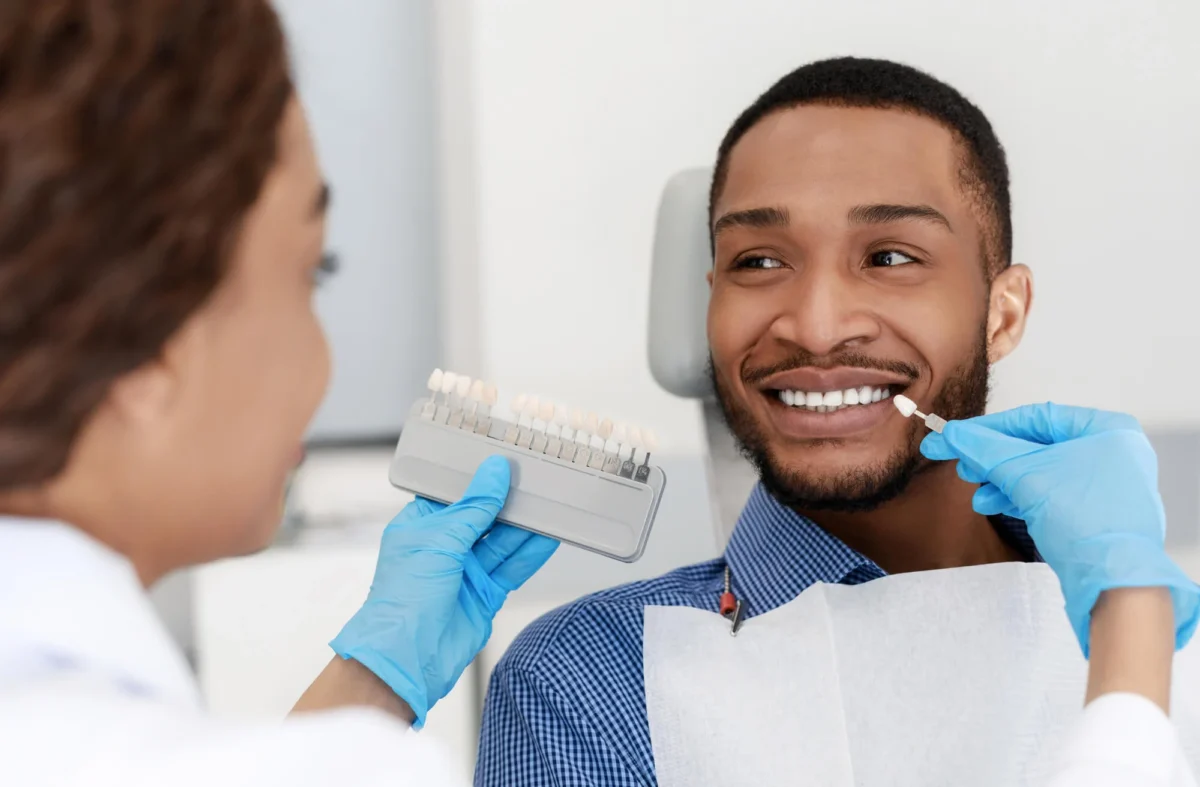
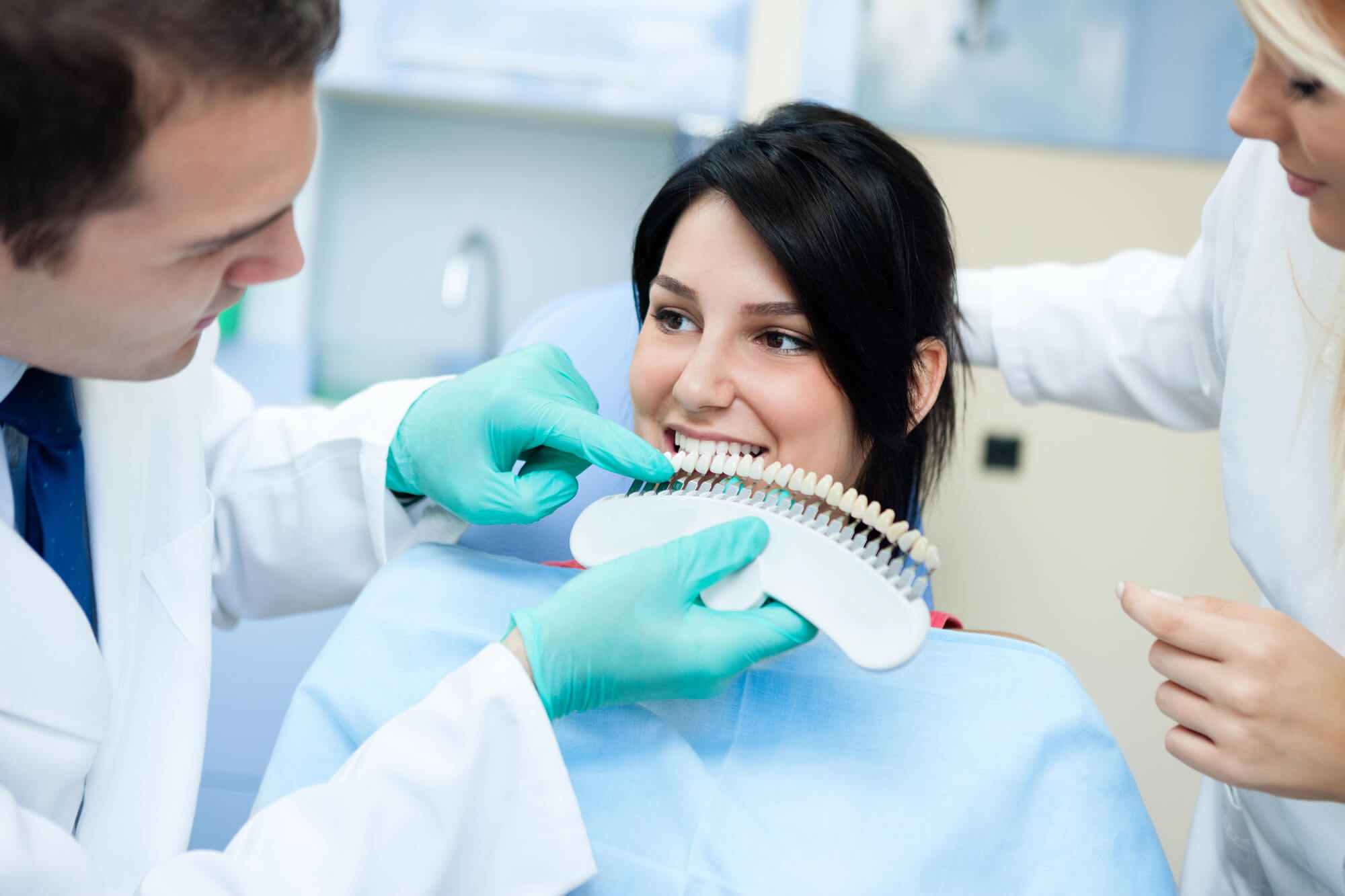
Far from a one-size-fits-all solution, dental whitening accommodates various lifestyles and aesthetic goals, allowing for personalization in cosmetic dentistry. It is a non-invasive method that brings out the original color of the teeth that may have been overshadowed by the cumulative effects of dietary habits, oral hygiene, and aging.
The Whitening Process
Dental professionals often utilize whitening toothpaste which employs mild abrasives capable of polishing the teeth to combat surface stains. For deeper stains, surface-acting bleaching agents such as hydrogen peroxide gels and carbamide peroxide strips come into play.
These agents are meticulously applied to ensure they reach the discolored molecules residing within the dental enamel and dentin, effectively breaking them down. This process is carefully calibrated to brighten the teeth without altering their structural integrity or inherent color.
Expectations with Teeth Whitening
Patients should anticipate a return to their teeth’s natural hue rather than an artificial blanching. Whitening can remove the film of stains that accumulate over time, but it respects the genetic predisposition of one’s enamel color.
Therefore, it’s important to have an open dialogue with your cosmetic dentist to establish what teeth whitening can realistically achieve for your individual smile.
Maintenance After Whitening
The sustainability of teeth whitening is not automatic; it demands a commitment to meticulous aftercare. A regimen including thorough brushing, conscientious flossing, and occasional touch-ups with whitening products is essential.
To mitigate the risk of recurrent stains, it’s advisable to moderate the consumption of chromogenic substances like coffee, tea, and red wine, and when indulging, to use a straw to bypass direct contact with the teeth.
Professional Whitening Services
Professional whitening services stand out from over-the-counter products with their ability to offer customized solutions and immediate, often more noticeable, results.
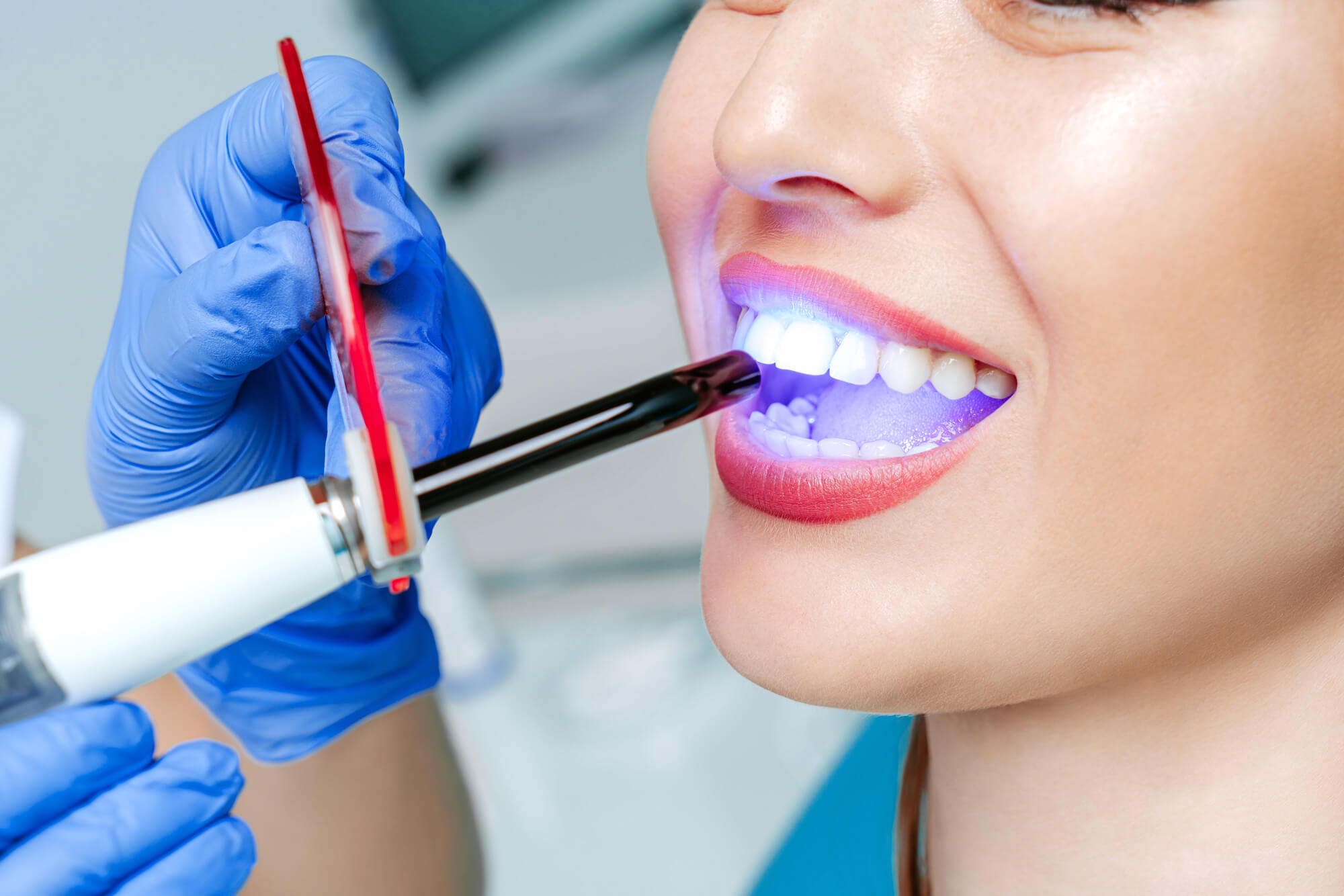
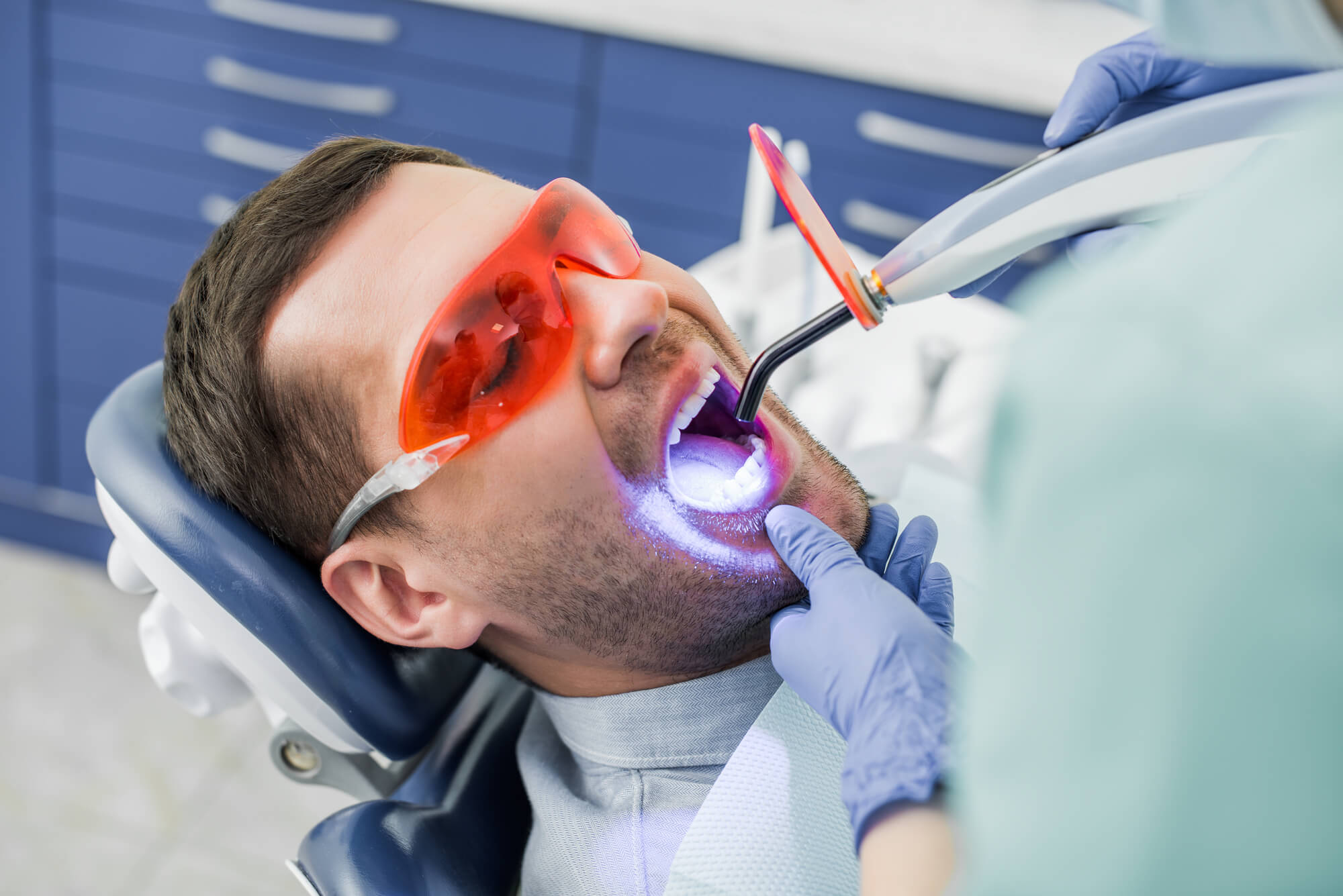
Cosmetic dentists provide an array of professional treatments including light-activated whitening, which delivers quick and effective results, and custom-fitted trays tailored for at-home use that ensure even coverage and protection for the gums.
Teeth Bleaching: Going Beyond the Natural
Understanding Teeth Bleaching
While teeth whitening works within the natural spectrum of tooth color, bleaching transcends this boundary, offering a brightening effect that goes beyond the tooth’s innate coloration.
It’s an advanced form of cosmetic dentistry designed to treat both extrinsic and intrinsic stains. This procedure employs robust chemical agents, capable of penetrating deep into the tooth structure to produce a lasting impact on the teeth’s appearance.
Bleaching Methods and Options
Teeth bleaching flexibility ranges from dentist-prescribed home kits, which include highly concentrated bleaching gels and custom trays for application, to sophisticated in-office procedures that utilize advanced technologies.
The latter often employs light or laser activation, which intensifies the bleaching agents’ effect for rapid and profound outcomes.
Setting Realistic Expectations
Managing expectations is as significant with bleaching as it is with whitening. Genetic factors and the nature of stains influence the bleaching outcomes, and while dramatic results are often achieved, there is a spectrum to the level of whiteness that can be attained.
A conversation with a cosmetic dentist will help to visualize realistic results and understand the bleaching journey.
Caring for Bleached Teeth
Preserving the dazzling effects of bleaching calls for a vigilant oral hygiene routine and lifestyle adjustments. Just as with whitening, maintenance involves circumventing known staining agents, embracing a robust oral care routine, and scheduling periodic touch-ups to combat the natural color regression over time.
Risks and Considerations of Bleaching
As with all dental treatments, bleaching carries potential risks. Sensitivity and irritation are among the side effects that some patients may experience. A cosmetic dentist can assess individual risk factors and tailor the bleaching process to minimize discomfort and maximize safety.
Choosing Between Whitening and Bleaching
The choice between whitening and bleaching rests on personal aesthetic desires, the health and condition of one’s teeth, and practical considerations such as budget and time commitment. A detailed assessment and guidance from a cosmetic dentist are invaluable in selecting the most appropriate path to a brighter smile.
Do You Need to Consult with an Experienced Cosmetic Dentist in Las Vegas?
Whether you’re considering a simple whitening to freshen up your smile or a full-on bleaching for a dramatic change, understanding the procedures, maintenance, and potential risks is crucial for a successful outcome.
A brighter smile can be a great confidence booster, and with the right care and guidance from a professional, you can enjoy the benefits of these cosmetic treatments safely and effectively.
Ready to take the next step towards a brighter smile? Contact Dee for Dentist today. Our expert team is dedicated to providing personalized care.
Keeping your smile vibrant and gums healthy goes beyond daily brushing and flossing. You’ll need to see a general dentist in Las Vegas too. Professional teeth cleanings, performed by a dental hygienist, are a cornerstone of oral health, helping to enhance the natural defense systems of your mouth against various conditions.
When considering where to go, it’s important to choose a reputable dental office in Las Vegas that prioritizes patient comfort and quality care.
Regular dental visits are fundamental for maintaining your smile and identifying and addressing dental issues before they escalate. Let’s explore the benefits of professional teeth cleaning and why it’s indispensable to your oral care routine. Understanding your dental insurance coverage for routine cleanings can help minimize out-of-pocket costs and ensure you receive necessary preventive care.
The Process of Professional Teeth Cleaning
Professional teeth cleaning, also known as dental prophylaxis, involves a series of detailed steps conducted by dental hygienists using specialized tools and techniques:
An oral examination assesses overall dental health, looking for signs of decay or gum issues.
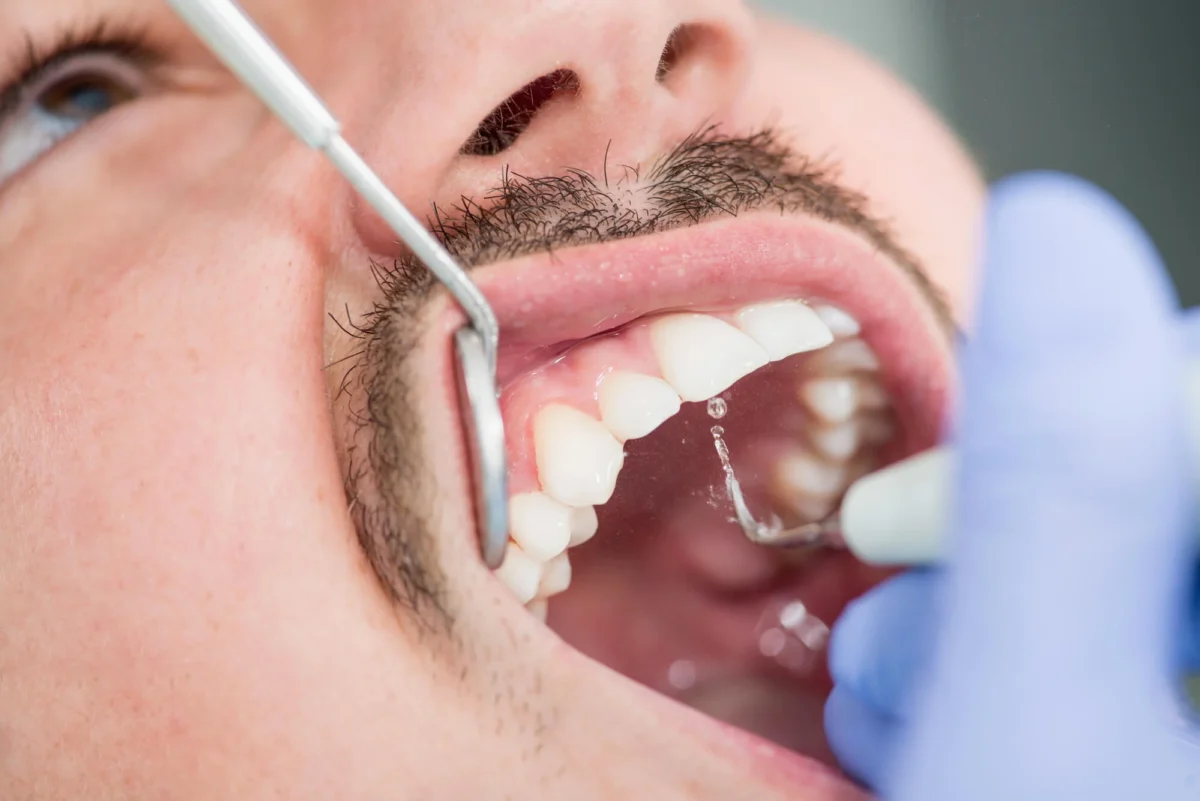
Scaling then meticulously removes plaque and tartar from teeth surfaces and the gum line to prevent disease. Patients with sensitive teeth may experience slight discomfort during the professional cleaning, but dental professionals can use techniques to minimize this.
The teeth are polished, removing stains and smoothing the enamel, which is often paired with thorough flossing between the teeth. This step helps achieve brighter teeth.
Finally, a fluoride treatment is applied to strengthen tooth enamel and help protect against future cavities, rounding off the professional cleaning procedure.
What to Expect During a Dental Cleaning
When you arrive for a dental cleaning, you can expect a thorough and comfortable experience designed to keep your teeth and gums in top shape. Your dental hygienist will begin by carefully examining your teeth and gums, checking for any signs of gum inflammation, tooth decay, or other dental issues that could affect your oral health. Using specialized tools, the hygienist will gently remove plaque and tartar buildup from the gum line and between your teeth—areas that regular brushing and flossing often miss.
If you have signs of gum disease, your cleaning may include scaling and root planing, a deeper cleaning process that targets stubborn buildup below the gum line. After the plaque and tartar are removed, your teeth will be polished to eliminate surface stains and leave your smile looking brighter. Many cleanings finish with a fluoride treatment, which helps strengthen tooth enamel and prevent future tooth decay. Regular dental cleanings like these are essential for maintaining optimal oral health, preventing gum disease, and keeping your teeth and gums healthy for years to come.
Deep Cleaning Procedures
For patients experiencing gum disease or significant tartar buildup, a deep cleaning—also known as scaling and root planing—may be recommended. Unlike a routine cleaning, a deep cleaning targets plaque and tartar that have accumulated below the gum line, where bacteria can cause inflammation and damage to the supporting structures of your teeth. During this procedure, your dental hygienist will use precise instruments to carefully remove plaque and tartar from these hard-to-reach areas, then smooth the tooth roots to help prevent bacteria from reattaching.
Deep cleaning is often performed in sections over multiple visits to ensure thorough care and patient comfort. This process is crucial for stopping the progression of gum disease and restoring the health of your teeth and gums. After a deep cleaning, it’s important to maintain your results with regular dental cleanings and good oral hygiene habits at home, helping to prevent future plaque and tartar buildup and keep your smile healthy.
Overcoming Dental Anxiety
If you feel nervous about visiting the dentist, you’re not alone—dental anxiety is a common concern that can make it difficult to schedule the professional teeth cleaning you need for optimal oral health. The good news is that modern dental offices are dedicated to making your experience as comfortable as possible. Finding a trusted dentist who understands your concerns and creates a welcoming environment can make all the difference.
Many dental practices offer relaxation techniques, such as deep breathing exercises, calming music, or even sedation dentistry, to help you feel at ease during your appointment. Open communication with your dental team is key—let them know about your dental anxiety so they can tailor their approach and support you throughout your visit. Remember, regular professional teeth cleanings are essential for preventing gum disease, tooth decay, and other dental issues.
Don’t let anxiety stand in the way of a healthy, confident smile and maintaining optimal oral health.
The Importance of Medical History
Your medical history is an important part of your dental care, as it can directly impact your oral health and the approach your dentist takes during professional teeth cleaning. Be sure to inform your dental team about any medical conditions, allergies, or medications you are taking. Certain health issues, such as heart disease or diabetes, can increase your risk for gum disease and other dental problems, while conditions like respiratory infections may require special precautions during your visit.
By sharing your complete medical history, you enable your dentist to provide personalized care that prioritizes your safety and comfort. This information helps your dental professional tailor your cleaning and preventive care to your unique needs, ensuring the best possible outcomes for your teeth and gums.
Benefits of Routine Teeth Cleanings
1. Preventing Cavities and Tooth Decay
Professional cleanings are vital in combating the relentless formation of plaque, which can lead to tooth decay if not managed. Acids produced by plaque can erode tooth enamel, increasing the risk of cavities. Your general dentist uses specialized tools to clean areas your brush can’t reach, thwarting the development of cavities and keeping your teeth healthy. This proactive approach, including having your teeth cleaned regularly, is key to maintaining a cavity-free mouth.
2. Warding Off Gum Disease
Gum disease (also known as periodontal disease) can be stealthy, often progressing without pain until it becomes severe. Regular professional cleanings are crucial in disrupting the progression of gum disease by meticulously clearing plaque from below the gum line. This preventive care is essential for preserving the integrity of your gums and the foundations of your teeth.
3. Detecting Dental Problems Early
During professional cleanings, dentists are not just removing plaque but also looking for early warning signs of potential dental issues through early detection. Identifying problems at their early stages allows for more effective treatment and can help prevent more serious health consequences. Regular professional cleanings also include screening for oral cancer, which can be detected at an asymptomatic or early stage. This keen observation allows for prompt intervention, often resulting in less complex and more cost-effective treatments, safeguarding your oral health and wallet.
4. Eliminating Bad Breath
Halitosis, or chronic bad breath, is often more than an inconvenience; it can be a symptom of underlying dental problems. A thorough cleaning removes the hidden bacteria that cause unpleasant odors, refreshing your breath and confidence. This benefit alone can significantly improve your social interactions and quality of life.
5. Boosting Overall Health
The state of your oral health offers clues about your overall health. Dental professionals understand that bacteria from your mouth can enter your bloodstream, potentially affecting your heart and other organs; poor oral health has been linked to systemic health conditions such as heart disease, diabetes, and respiratory issues. Regular cleanings reduce this risk, making you healthier from head to toe.
6. Saving Money in the Long Run
Investing in regular teeth cleanings is financially savvy. By maintaining oral health and catching issues early, you avoid the need for more extensive and often expensive dental treatments down the line. Think of professional cleanings as a small investment now to avoid a larger expense later.
7. A Brighter, Whiter Smile
Beyond health benefits, professional teeth cleanings have a cosmetic advantage. They remove surface stains caused by food, drinks, and smoking, leading to a noticeably whiter smile and brighter teeth. This aesthetic improvement is an uplifting bonus, enhancing your appearance and boosting your self-esteem with every gleaming smile.
8. Enhancing the Effectiveness of Oral Hygiene
Professional teeth cleanings and regular cleaning supplement your at-home oral hygiene routine. Even the most diligent brushers and flossers can miss spots, leading to plaque and tartar buildup. Dentists have the tools and expertise to perform a more thorough clean, enhancing your daily efforts and ensuring your oral hygiene routine is as effective as possible.
9. Tailoring Dental Care to Individual Needs
No two mouths are the same, which is why professional cleanings are personalized to fit the unique needs of each individual. During a cleaning, your dentist can assess your specific oral health challenges and adapt the treatment to address them. This personalized care can lead to better dental outcomes and a healthier mouth by helping maintain healthy teeth and preventing tooth loss through addressing individual risk factors.
Dental Cleaning Frequency
How often you need dental cleanings depends on your individual oral health and risk factors. For most people, dental professionals recommend regular professional teeth cleanings every six months to maintain optimal oral health and prevent gum disease, tooth decay, and other dental issues. However, if you have a history of gum disease, frequent tooth decay, or certain medical conditions like heart disease, your dentist may suggest more frequent cleanings to help you maintain a healthy mouth.
Your dentist will work with you to develop a cleaning schedule that fits your needs, ensuring you receive the right level of preventive care. By keeping up with regular professional teeth cleanings, you can prevent gum disease, protect your teeth and gums, and enjoy a bright, healthy smile for years to come.
Looking for a Reliable General Dentist in Las Vegas?
Embracing the full spectrum of benefits that professional teeth cleanings offer can significantly affect your oral and overall health. Scheduling your regular professional teeth cleaning at a reputable dental office is essential for optimal oral hygiene, prevention of dental issues, and maintaining overall well-being. It’s a step worth taking for a lifetime of healthy smiles.
If you’re ready to enhance your oral health and brighten your smile, Dee for Dentist provides a comfortable, caring, and comprehensive dental experience. Reach out to us to schedule your next professional teeth cleaning and actively preserve your smile’s health and beauty. Let us help you keep your smile shining bright!
If you’re missing teeth, you’ve probably heard about the wonders of affordable dental implants in Las Vegas – they offer the hope of regaining a complete, natural-looking smile. But here’s the scoop: your dental implants’ durability and success hinge on several crucial factors that decide whether you’re a suitable candidate.
In this blog, we’ll cut to the chase and break down the critical elements that determine if your dental implants will stand the test of time.
Assessment for Dental Implant Candidacy
1. Overall Oral Health:
Your oral health is a primary consideration when determining your eligibility for dental implants. If you have active gum disease or untreated tooth decay, it’s essential to address these issues before moving forward with implant surgery. A healthy mouth provides a better foundation for the success of dental implants.
2. Sufficient Jawbone Density:
Adequate jawbone density is crucial for the stability and long-term success of dental implants. During the assessment, your dentist will evaluate your jawbone’s quantity and quality using X-rays and other imaging techniques. If your jawbone lacks the necessary density, bone grafting may be required to provide the support needed for the implants.
3. Gum Health:
Healthy gums are essential for the proper healing and integration of dental implants. Gum disease can lead to complications, including implant failure. Your dentist will assess your gum health and recommend any necessary treatments or maintenance to ensure your gums are in the best possible condition for implant surgery.
4. Medical History:
Your overall health plays a significant role in the assessment process. Certain medical conditions or medications may affect your eligibility for dental implants. It’s crucial to provide your dentist with a comprehensive medical history to identify any potential risks or necessary adjustments to the treatment plan.
5. Lifestyle Factors:
Your lifestyle choices can impact the success of dental implants. Smoking, for instance, can hinder the healing process and increase the risk of implant failure. Your dentist may recommend quitting smoking or addressing other habits that could affect the procedure’s outcome.
6. Commitment to Oral Hygiene:
Maintaining excellent oral hygiene is essential for the long-term success of dental implants. Candidates should be committed to regular dental check-ups, daily brushing and flossing, and following their dentist’s post-implant care instructions to ensure the implants remain healthy and functional.
7. Age and Maturity:
While age is not necessarily a barrier to dental implant candidacy, maturity and commitment to oral health are crucial factors. Younger candidates should demonstrate a responsible approach to their oral hygiene and be aware of the long-term commitment involved in maintaining dental implants.
8. Expectations and Realistic Goals:
Candidates must have realistic expectations regarding the outcomes of dental implant surgery. While implants offer excellent aesthetics and functionality, they may not provide identical sensations to natural teeth. Your dentist will discuss the expected results and ensure your goals align with the potential benefits of the procedure.
9. Financial Considerations:
Affordability is another critical factor in dental implant candidacy. While many people can benefit from dental implants, the cost can vary based on individual needs and the complexity of the case. Your dentist will discuss the financial aspects of the treatment and explore options to make it more accessible if needed.
What Happens If You Get Dental Implants Even If You Don’t Qualify?
Getting dental implants without meeting the necessary eligibility criteria can lead to various complications and potential implant failure. Here are some consequences:
Infection and Complications: If there are underlying oral health issues, such as untreated gum disease or tooth decay, implant surgery can introduce bacteria into the area, increasing the risk of infection. Inadequate healing can lead to complications and discomfort.
Implant Failure: Without a strong and healthy jawbone, dental implants may not properly integrate with the bone. This lack of stability can result in implant failure, causing pain and the need for removal.
Long-Term Discomfort: Dental implants that are not correctly placed or integrated may lead to persistent discomfort, affecting your ability to eat, speak, or smile comfortably.
Want to Know If You Qualify for Affordable Dental Implants in Las Vegas?
While dental implants offer an excellent solution for many people seeking to restore their smile, not everyone may be an immediate candidate. However, with advancements in dental technology and the expertise of skilled dentists, affordable dental implants are becoming a viable option for more individuals.
To determine your candidacy for dental implants, schedule a consultation with Dee for Dentist today. Our team of experienced professionals will assess your unique situation and guide you through the process, ensuring that you receive the best possible care and achieve the smile you deserve.